Compare Cabo San Lucas snorkeling boat tour types by reef quality, group size, and price. Find the right tour before you book.
Best Cabo San Lucas Snorkeling Boat Tours to Book
A Cabo San Lucas snorkeling boat tour can mean a 45-minute puddle-jump to Lover's Cove with twenty other tourists, or a half-day private charter out past Santa Maria Bay with a crew that actually knows where the sea turtles feed that week. Both get sold as "the Cabo snorkel experience," and that's the problem — the category is broad enough to disappoint someone expecting one thing and getting the other.
Here's the blunt version: the water around the marina and Medano Beach is calm and good for beginners, but it's not the Sea of Cortez's best snorkeling. The better reefs sit along the Pacific side near Lover's Cove and Pelican Rock, where warm Sea of Cortez currents meet cooler Pacific Ocean water, pulling in a wider range of fish than you'd expect from a 20-minute boat ride off a resort town. Knowing which tour category gets you there — and which just circles the marina — is the whole decision.
Who Each Snorkeling Tour Type Suits
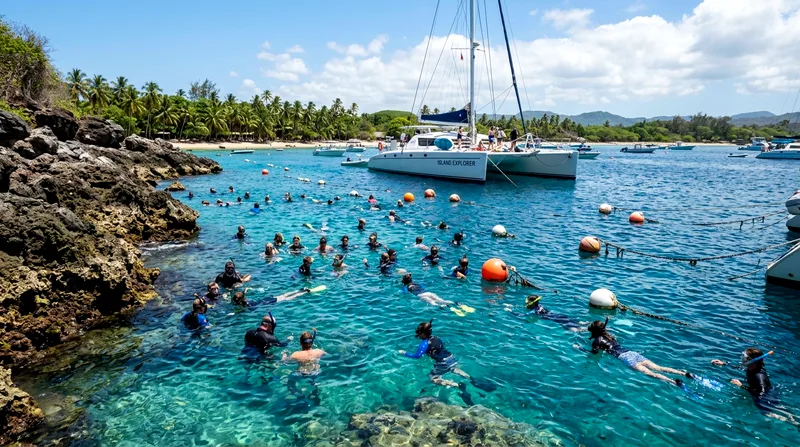
Not every snorkeler needs the same boat. Matching tour type to traveler type avoids the two most common complaints in Cabo snorkeling boat tour reviews: "too crowded" and "nothing to see."
Budget-conscious travelers and groups
Group snorkel cruises running out of the marina are the cheapest way into the water, typically running two to three hours including transit time. Expect shared boats of 15 to 40 people, a splash of equipment handed out dockside, and one or two anchor stops. If you're traveling with a group of six or more friends, this is usually your best value — you're not paying for a private boat you don't need, and large-group energy fits the atmosphere anyway. The trade-off is obvious: more people in the water means more kicked-up sand and less personal space near the good coral.
Families with young children
Half-day group or semi-private tours with shorter hops between stops work better for kids than full-day excursions. Look for operators who mention life vests sized for children and a shallow first stop near Medano Beach before moving to deeper water. A full-day boat tour with two or three reef stops risks a meltdown by stop two if your youngest is under eight. Ask specifically whether the itinerary includes a beach break — some full-day tours assume adults and skip it.
Experienced snorkelers seeking premium reefs
If you've snorkeled Cozumel or the reefs off Playa del Carmen and found Cabo's marina-adjacent water underwhelming, book a private or small-group charter that explicitly names Santa Maria Bay or Chileno Bay rather than just "Cabo reefs." These spots sit further from the marina, see less boat traffic, and hold better visibility outside of summer's plankton-heavy months. Expect to pay roughly two to four times a group tour's rate for this flexibility — worth it if you actually dive deeper or free-dive, less worth it if you're snorkeling at the surface either way.
Couples and small groups
Semi-private tours — typically capped at 10 to 12 people — hit a sweet spot for couples who want some quiet without paying full charter price. Many bundle in a short sail past the Arch and Lover's Beach before the snorkel stop, which adds photo value without extending the trip much. Compare this against a full private charter: you'll pay less, but you give up control over departure time and exact stops.
Main Snorkeling Tour Categories Compared
Strip away the marketing and there are really three variables that define a Cabo San Lucas snorkeling boat tour: who else is on the boat, how long you're out, and which reef you actually reach.
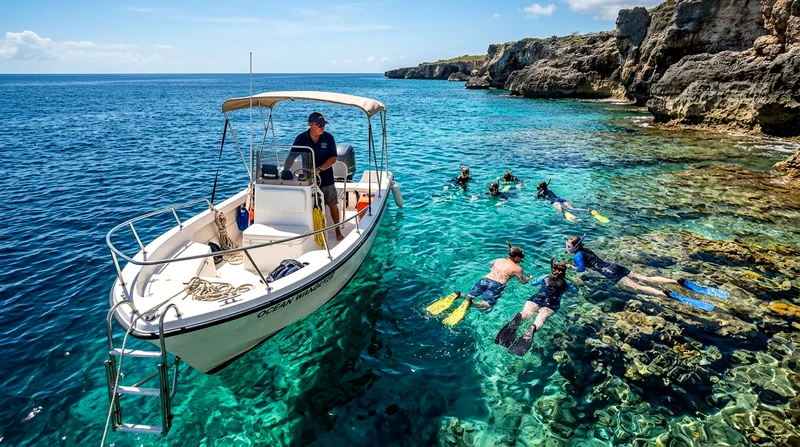
Group boat tours cost the least and reach the same main reefs as pricier private charters, which instead offer smaller groups and extended routes.
Cabo San Lucas snorkeling boat tour types compared by group size, duration, and cost
| Tour Type | Typical Duration | Group Size | Relative Cost | Best For |
|---|---|---|---|---|
| Large group cruise | 2–3 hours | 20–40 people | Lowest | Budget travelers, big groups |
| Standard group tour | 3–4 hours | 15–25 people | Low-Moderate | First-timers, solo travelers |
| Semi-private tour | 3–5 hours | 8–12 people | Moderate | Couples, small families |
| Private charter (half-day) | 4 hours | 1–6 people | High | Flexible scheduling, specific reef access |
| Private charter (full-day) | 6–7 hours | 1–6 people | Highest | Combining snorkeling with whale watching or multiple bays |
Figures are typical ranges based on common itineraries; exact group size and duration vary by operator, so confirm details before booking.
Group boat tours vs. private charters
Group tours are the default booking — larger catamarans or pangas with a set departure time, shared with other travelers, usually at the lowest per-person cost. Private charters flip that: you set the schedule, choose (within reason) which cove to snorkel, and often get a smaller, faster boat that reaches Santa Maria Bay or Chileno Bay instead of settling for Lover's Cove. The honest trade-off is price versus flexibility, not quality of equipment — most operators across both categories supply similar mask, snorkel, and fin sets. Don't assume "private" means better gear; it usually just means fewer people wearing it.
Half-day vs. full-day snorkeling cruises
Half-day tours run roughly two to four hours and usually include one or two snorkel stops plus transit. Full-day tours stretch to six or seven hours, add a lunch stop (often grilled fish on the boat or a beach), and may combine snorkeling with whale watching in season or a stop at a beach bar. For most first-time visitors, half-day is plenty — the marine life variety at Pelican Rock doesn't change dramatically after the first hour in the water. Full-day trips make more sense if snorkeling is paired with something else you want anyway, like a Sea of Cortez wildlife run between December and March.
Reef quality and marine life variety
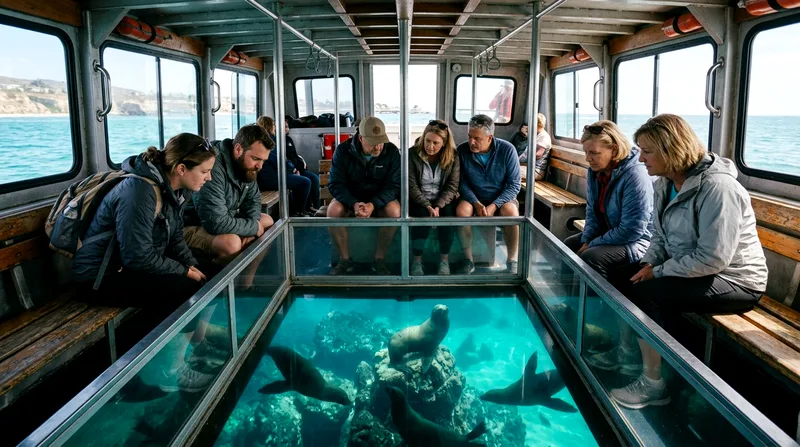
Pelican Rock and Lover's Cove are the two names you'll see repeated across nearly every tour itinerary, and for good reason — they're close, sheltered, and reliably stocked with parrotfish, sergeant majors, king angelfish, and the occasional sea lion colony near the rocks. Sea turtles show up seasonally but aren't guaranteed on any trip. Compare this to Cozumel's reef system near Playa del Carmen, which has denser coral cover and better average visibility — Cabo's strength is the sea lions and the dramatic rock formations above water, not the coral itself. If coral density is your priority, honestly, Cabo isn't the best stop on a Mexico trip; Cozumel or the reefs off La Paz's Espíritu Santo tend to edge it out.
What to Look for When Booking
The listing photos all look the same — clear water, a happy group, a boat with a canopy. The details that actually matter are buried in the fine print.
Inclusions: equipment, meals, and transfers
Confirm whether mask, snorkel, and fins are included or rented separately — most Cabo tours include basic gear, but prescription masks and full wetsuits (useful in cooler winter water) often cost extra. Check if hotel pickup is included; tours departing from the marina sometimes charge a separate transfer fee if you're staying in San José del Cabo rather than Cabo San Lucas proper, a 25 to 40 minute drive. Food ranges from a simple snack and soda to a full onboard lunch on full-day trips — don't assume lunch is covered just because the listing shows a photo of fish tacos.
Group size and boat capacity
A listing might say "small group" while still cramming 30 people onto a boat rated for 40 — technically small relative to capacity, not small in absolute terms. Ask directly for the maximum passenger count, not just the boat's description. Anything under 15 people genuinely changes the experience; above 25, you're waiting in line to use the ladder back onto the boat.
Cancellation and weather policies
Pacific swell and wind can cancel tours with little notice, especially from July through October during hurricane season. Reputable operators offer a full refund or free reschedule for weather cancellations — avoid any tour whose policy only mentions traveler-initiated cancellations and stays vague about what happens if they cancel on you. Read the specific wording before booking, not just the star rating.
When to Book Your Snorkeling Tour
Timing affects both what you see underwater and how easily you can get a seat on the boat you actually want.
Best seasons for visibility and comfort
Water visibility in Cabo peaks roughly from October through June, when the Sea of Cortez runs clearer and calmer. Summer months bring warmer water — comfortable for swimming without a wetsuit — but also more plankton, which clouds visibility noticeably by August and September. December through March adds the chance of spotting gray whales or humpbacks en route, a reason to consider a full-day combo tour during those months specifically.
Advance booking vs. last-minute availability
Group tours are usually easy to book a day or two ahead, even through hotel concierges once you've landed. Private charters and semi-private boats sell out further ahead during peak weeks — spring break in March and the Christmas–New Year stretch — so book those seven to ten days out if your dates fall in that window. Outside peak season, last-minute booking rarely costs you a better boat; it mostly just limits your choice of departure time.
Frequently asked questions
What's included in a typical Cabo snorkeling boat tour?
Most include mask, snorkel, and fins, a life vest, and bottled water or a soft drink. Half-day group tours often skip lunch; full-day tours usually include a meal, sometimes grilled fish or tacos served onboard or on a beach stop. Hotel transfers are sometimes included and sometimes a separate add-on — confirm before you book, especially if staying outside downtown Cabo San Lucas.
How many people go on a group snorkeling tour?
Standard group tours run anywhere from 15 to 40 passengers depending on boat size, with larger catamarans at the high end. Semi-private options cap around 8 to 12 people. Always ask for the maximum passenger count rather than trusting marketing terms like "small group," which vary a lot between operators.
What's the difference between a private and group snorkel tour?
A private charter gives you control over departure time and which bay you visit — often Santa Maria or Chileno rather than the standard Pelican Rock stop — at two to four times the per-person cost of a group tour. Group tours follow a fixed schedule and itinerary but use the same gear and often reach similar waters at a lower price.
Can beginners join snorkeling tours in Cabo?
Yes — Lover's Cove and the water near Medano Beach are calm and shallow, making them suitable for first-time snorkelers and most kids over six. Crews on group tours typically give a quick briefing before the first stop. If you're nervous in open water, ask whether the tour provides a flotation noodle or vest-assisted option, since not all do.
What's the best time of year to snorkel in Cabo San Lucas?
October through June generally offers the clearest water and calmest conditions. Summer (July–September) is warmer for swimming but often hazier due to plankton blooms, and hurricane season risk runs roughly June through November, which can affect boat schedules with little notice.