Best Cabo San Lucas Scuba Diving Tours to Book
Compare Cabo San Lucas scuba diving tours by site, depth, and skill level. Sand Falls, Pelican Rock, and Gordo Banks explained with booking tips.
9 min read · 10 Oct 2026
Tours & activities
Compare zodiac, catamaran & kayak whale watching tours in Cabo San Lucas. Find the best marine experience for your budget, season & mobility needs.
Cabo San Lucas sits at the point where the Pacific Ocean meets the Sea of Cortez, and that geography matters more than most tour listings let on. Gray whales migrate down from Alaska to breed in the sheltered bays of Baja California, and humpback whales pass through the same corridor in overlapping numbers from roughly December through April. That overlap is why Cabo San Lucas whale watching tours have become one of the region's most booked activities — more reliable, frankly, than similar outings in Puerto Vallarta or Mazatlan, where whale density runs lower.
The decision isn't really whether to go. It's which boat gets you there. Zodiac tours, catamaran cruises, and kayak excursions all put you on the water during the same migration window, but they deliver very different experiences in terms of speed, comfort, group size, and how close you actually get to the animals. Picking the wrong one for your travel style — a stiff-backed senior on a bouncing zodiac, or a thrill-seeking solo traveler stuck on a slow catamaran with eighty other passengers — is the most common booking mistake.
Not every whale tour fits every traveler, and operators rarely advertise that honestly. The boat type determines your physical experience far more than the marine life does — the whales behave the same regardless of what you're floating in.
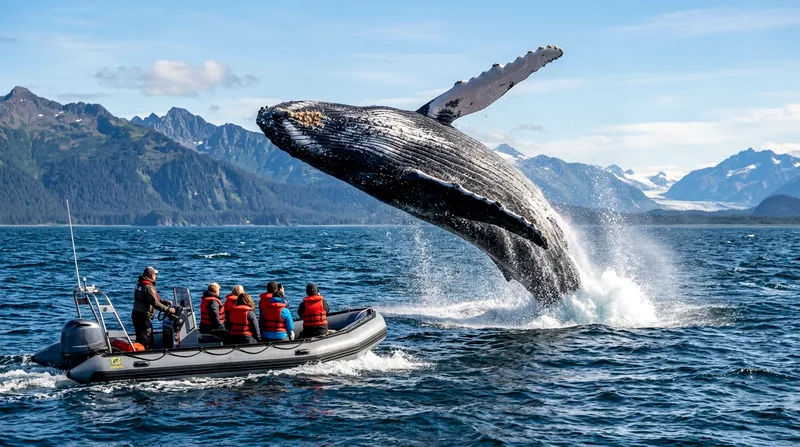
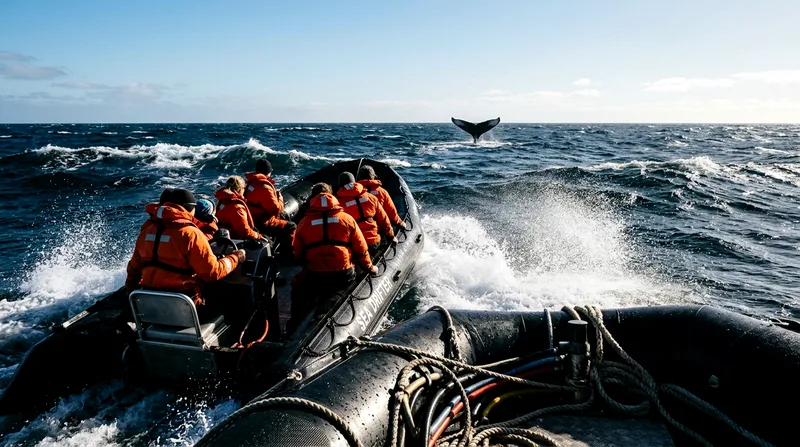
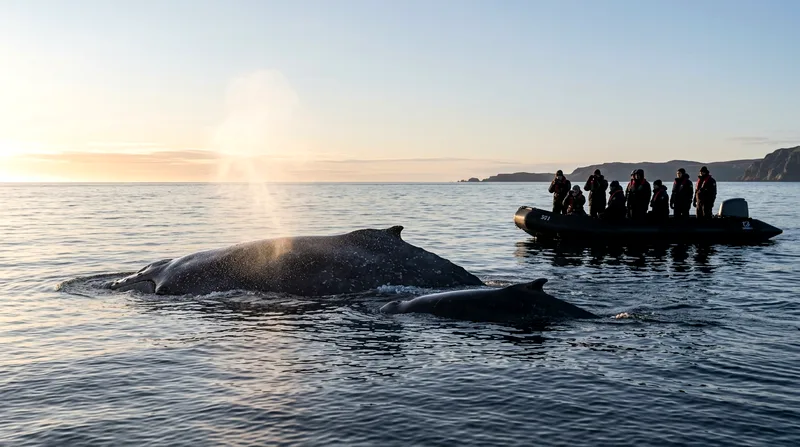
If you want speed, spray, and the sensation of being low to the water when a humpback surfaces nearby, a zodiac (rigid inflatable boat) tour is the right call. These run smaller, typically six to twelve passengers, and the captain can maneuver quickly to reposition when whales are spotted. The trade-off is comfort — zodiacs have minimal seating, no shade structure, and you'll get wet in choppy Pacific swell. Anyone with a bad back or limited mobility should skip this category entirely.
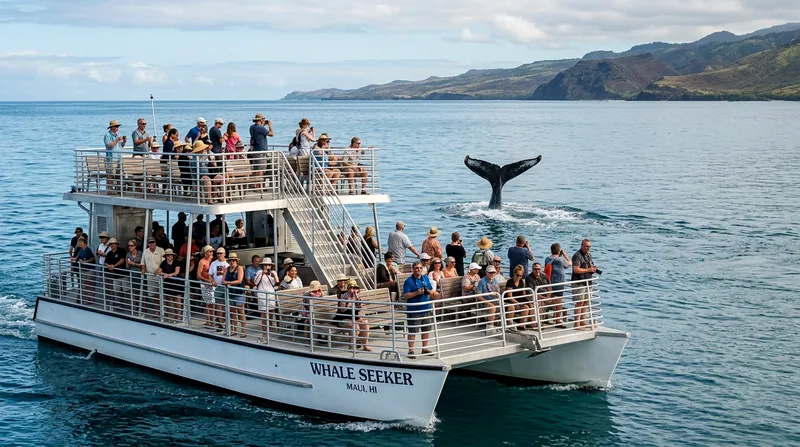
Catamarans are the default choice for families with young children, grandparents, or anyone who gets queasy on small boats. They're wider, more stable, and usually include a shaded upper deck, restrooms, and sometimes a light snack or open bar. Capacity runs higher too — often 40 to 100 passengers — which means less personal space and a longer wait for a clear view at the rail when a whale surfaces. It's the safer, calmer option, but don't expect an intimate wildlife encounter.
Photographers and solo travelers who want quiet observation time should look at small-group zodiac tours or kayak excursions rather than catamarans. Fewer passengers means less jostling for position, and guides on smaller boats tend to cut the engine and drift rather than circling for mass viewing. Kayaking near whale territory (not directly alongside migrating whales, which is restricted) also works well for photographers who want coastal cliffs and sea life — sea lions, rays, sometimes a passing whale shark — in the same frame.
Every Cabo marine wildlife tour operator sells some version of these three boat types, and the differences go beyond aesthetics — they change what you'll actually see and feel.
Zodiac tours offer the closest, fastest encounters, catamarans offer the most comfort, and kayaks offer the quietest, most physical experience.
Cabo San Lucas whale watching tour types compared
| Tour Type | Typical Group Size | Duration | Cost Tier | Best For |
|---|---|---|---|---|
| Zodiac | 6-12 passengers | 2-3 hours | Mid-range | Thrill-seekers, photographers, small groups |
| Catamaran | 40-100 passengers | 2-4 hours | Mid to higher (often includes drinks/snacks) | Families, seniors, large groups, comfort |
| Kayak | 4-10 passengers | 2-3 hours | Lower to mid-range | Fit travelers, quiet coastal experience |
| Private charter | 2-10 passengers | Flexible, 2-5 hours | Highest | Couples, special occasions, flexible scheduling |
Group sizes, durations, and cost tiers are typical ranges; always check current prices, inclusions, and operator ratings before booking.
Zodiac whale watching in Cabo wins on responsiveness. These boats sit low, move fast, and can pivot toward a breach or spout within seconds — something a 60-foot catamaran simply can't do. That agility usually means more sightings per trip and closer (though still regulated) encounters. Mexican federal guidelines require boats to stay at least 100 meters from whales and limit approach time, so no operator — zodiac or catamaran — can legally crowd the animals, but smaller boats are better at positioning within that legal distance before the whale moves on.
Catamaran whale tours in Los Cabos trade intimacy for comfort. Wide hulls reduce rocking, there's usually a bathroom onboard, and many operators run these as half-day trips with return transport to the marina included. The downside is obvious once you're on deck with sixty other people: elbow room at the rail disappears fast when a whale surfaces. If your priority is a relaxed morning with a drink in hand and whales as a bonus rather than the main event, catamarans deliver that. If you want every minute focused on the animals, they can feel diluted.
Kayak tours are the slowest and most physically demanding option, and they're not really "whale watching" in the direct sense — regulations keep kayaks well clear of active migration corridors for safety. Instead, these trips usually combine coastal paddling near Land's End or the Sea of Cortez side with the chance of distant whale sightings, plus closer encounters with sea lions and reef fish. Expect two to three hours of paddling, a guide boat nearby, and a genuinely quiet experience — no engine noise, no crowd. It suits fit travelers more than it suits anyone hoping for a guaranteed close whale encounter.
The boat type matters, but the specific operator matters just as much, and this is where most travelers skip due diligence. Cabo's marina is packed with booths and hawkers selling whale tours at wildly different quality levels, even within the same category.
Check exactly what's included before paying anything — hotel transfer, drinks, snorkel gear, and photos are sometimes bundled, sometimes charged separately. Ask about maximum group size specifically; a listing that says "small group" can still mean 20 people on a mid-size boat. Whale sightings aren't guaranteed by nature, so look for a cancellation or rebooking policy that covers no-show days — reputable operators will offer a second attempt or partial refund if no whales are spotted, though policies vary and should be confirmed at booking, not assumed.
A marine biologist or certified naturalist guide, rather than just a boat captain, changes the quality of narration significantly — they'll explain behavior, distinguish gray whales from humpbacks by fluke shape, and know current sighting patterns around Land's End and the Pacific side. Confirm life jackets are provided and worn, especially on zodiacs where the ride can get rough. Avoid any operator who can't clearly state their approach-distance policy; it's a sign they may not follow federal wildlife regulations.
Timing matters more here than tour type. Book the right boat during the wrong month and you'll see open water and nothing else.
Humpback whales typically arrive in Los Cabos waters starting mid-December, with numbers building through January and February, then tapering off by April. Gray whales follow a similar but slightly earlier pattern, often visible from December through March, especially on the Pacific side near Todos Santos, a quick detour many tour operators include on longer excursions. January and February are the most reliable months for a sighting on any given outing — some operators report seeing whales on the large majority of trips during this stretch, though no company can promise a sighting on any single day.
The Pacific side of Cabo tends to run choppier than the calmer Sea of Cortez side, which affects zodiac comfort more than catamaran comfort. Morning tours generally see calmer water before afternoon wind picks up — book an 8 or 9 a.m. departure if you're prone to motion sickness. Outside whale season (May through November), some operators pivot to dolphin or general marine wildlife tours instead, which is worth knowing if you're traveling in summer and still want time on the water.
Booking in advance — ideally a few days to a week ahead during peak season — secures better boat positioning and avoids the marina's last-minute hawkers, whose quality varies more than any other seller in town. Compare at least two or three listings in the same category before deciding; look closely at recent reviews mentioning actual sighting rates, not just "fun crew" comments. Pair the tour with something else bookable the same day, since many whale watching mornings run only two to three hours — San Jose del Cabo's marina, a Sea of Cortez snorkeling stop, or a Land's End sightseeing add-on fit naturally into the same half-day. European travelers adjusting to time zones often prefer afternoon departures for this reason, though morning remains calmer on the water. Whatever category you choose, compare current prices and reviews before you book rather than relying on marina touts promising the lowest rate.
Mid-December through April is the full season, with January and February offering the most consistent sightings of both gray and humpback whales. Outside that window, whale tours typically aren't offered because the animals have migrated north.
Catamarans are the safer choice for young children — wider decks, railings, restrooms, and slower movement reduce fall and seasickness risk. Zodiacs can be fun for older kids (typically 8+) who can handle a bumpy, wet ride, but most operators set minimum age requirements, so confirm before booking.
Sea lions near Land's End, dolphins, manta rays, and occasionally whale sharks (most common closer to La Paz and the Sea of Cortez side) show up on Cabo marine wildlife tours. Sightings aren't guaranteed, but multi-species encounters are common on longer excursions.
Most reputable operators offer a rebooking or partial refund if no whales are sighted or if weather forces cancellation, but policies differ by company. Always confirm the cancellation terms in writing at the time of booking rather than assuming a standard policy applies.
No experience is needed for zodiac or catamaran tours — guides handle all navigation and safety. Kayak tours require basic paddling fitness and comfort on open water, so first-timers should choose a shorter, guided route rather than an extended coastal paddle.
Compare Cabo San Lucas scuba diving tours by site, depth, and skill level. Sand Falls, Pelican Rock, and Gordo Banks explained with booking tips.
9 min read · 10 Oct 2026
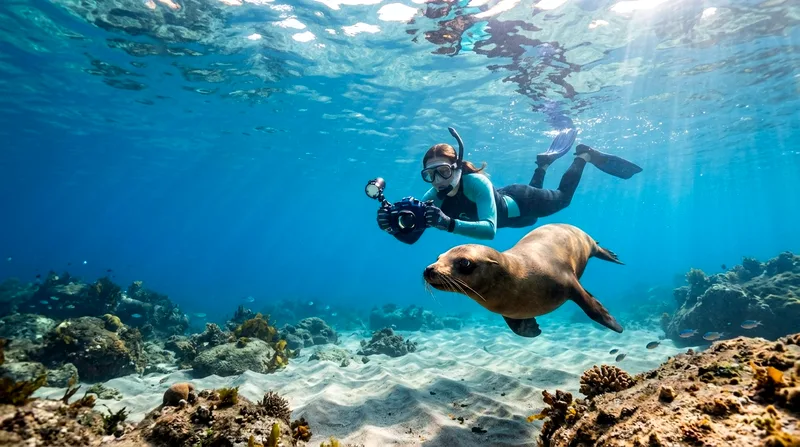
Discover snorkeling with sea lions at Pelican Rock in Cabo San Lucas. Compare tour options, difficulty levels, and timing for families and seniors.
9 min read · 10 Oct 2026
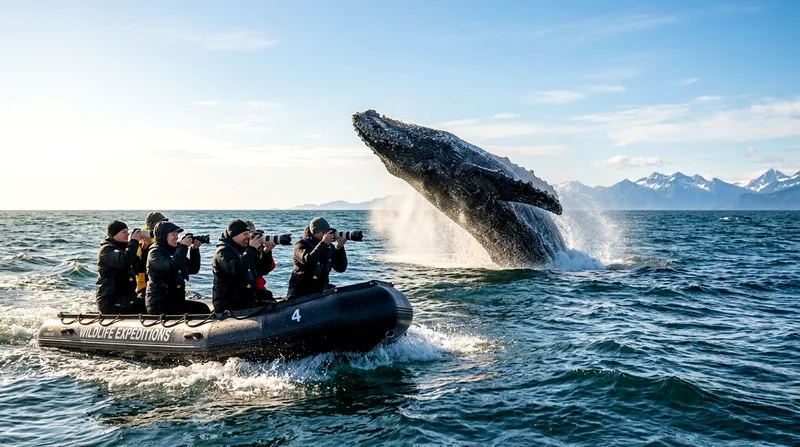
Compare zodiac and catamaran whale tours in Cabo San Lucas. See which offers better whale encounters, comfort, seasickness risk, and value.
8 min read · 10 Oct 2026
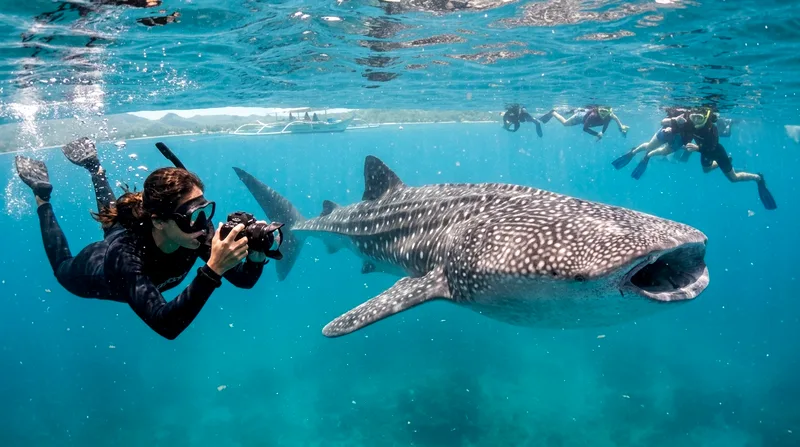
Book a whale shark tour from Cabo to La Paz. Learn what's included, best season, safety tips, and how to snorkel with these gentle giants.
8 min read · 10 Oct 2026
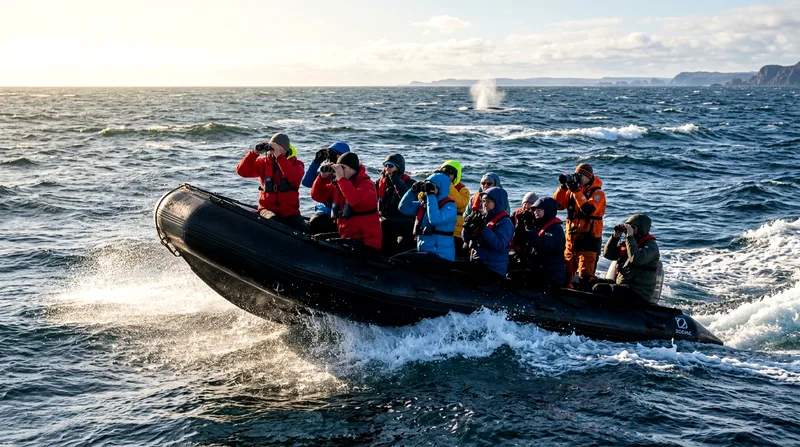
Cabo whale watching tour price breakdowns by boat type, duration, and season — plus honest ways to save without booking a sketchy operator.
8 min read · 10 Oct 2026
Cabo whale watching season runs roughly mid-December to April. See the month-by-month calendar, peak weeks, and when to book your tour.
9 min read · 10 Oct 2026