Discover snorkeling with sea lions at Pelican Rock in Cabo San Lucas. Compare tour options, difficulty levels, and timing for families and seniors.
What Is Sea Lion Snorkeling in Cabo?
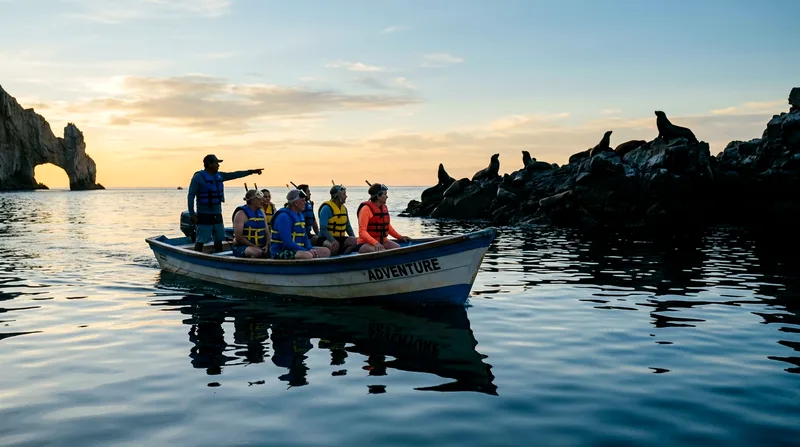
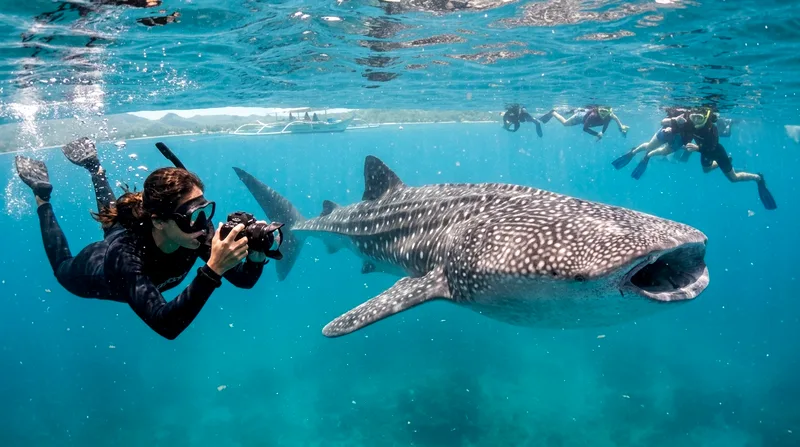
Snorkeling with sea lions in Cabo San Lucas means swimming near a resident colony that lives on the rocks at Land's End, where the Pacific Ocean meets the Sea of Cortez. The colony numbers somewhere in the dozens on a given day, hauled out on the rocks or cruising the shallows looking for an easy meal of sardines. This isn't a captive encounter or a feeding show — it's a wild population that has grown used to boat traffic and snorkelers, which is exactly why it works as an activity at all.
The water here sits close to shore, usually 15 to 25 feet deep around the main viewing spots, which keeps visibility manageable even for people who've never snorkeled outside a hotel pool. That said, this is open ocean, not a lagoon. Currents move through the channel between the two bodies of water, and boat traffic from the marina adds a layer of logistics a self-guided swimmer doesn't want to deal with alone.
The Pelican Rock colony and marine ecosystem
Pelican Rock is the small rock formation just inside Land's End, named for the birds that perch on it, though sea lions have claimed the surrounding waters as their own. The rock sits in a transition zone — shallow, sandy patches shift into deeper rock reef within a few dozen yards, which is why the area supports more than just sea lions. You'll see schools of king angelfish, parrotfish, and the occasional ray moving along the bottom. The mix of Pacific and Sea of Cortez currents brings nutrient-rich water through here, which is part of why the ecosystem stays active year-round rather than thinning out in the off-season like some single-current reef sites.
Why sea lions make this experience unique
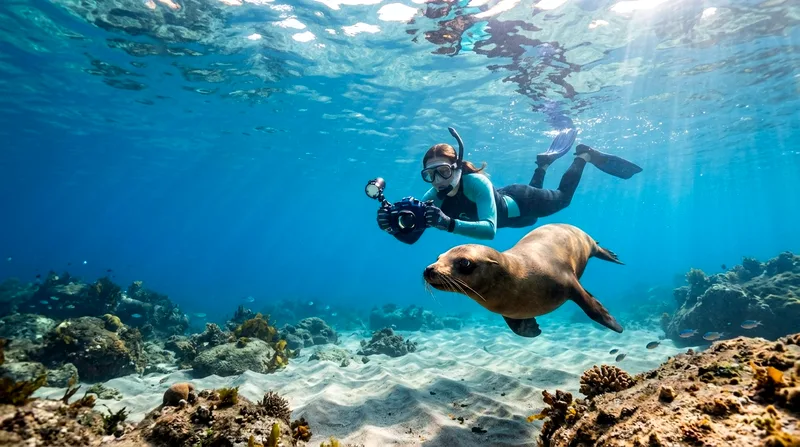
Sea lions move through water the way birds move through air — fast, curved, almost mocking compared to a snorkeler's flailing kick. Juveniles are usually the most interactive; they'll loop around a swimmer a few times out of curiosity, sometimes close enough to see whisker detail, then lose interest and shoot back to the rocks. Adults, especially bulls, mostly ignore people and sometimes growl a warning if you drift too close to a hauled-out group. I'd treat every approach as the sea lion's choice, not yours — guides who respect that distance tend to produce better, longer encounters than ones who chase.
How to Visit: Independent vs. Guided Tours
You technically can get to Pelican Rock without a tour, but almost nobody does it well without a boat, and here's why that matters for your decision.
Self-guided snorkeling options and logistics
Land's End isn't reachable on foot with snorkel gear in hand — the approach from Playa El Médano or the marina side involves either a long swim through boat traffic or renting a kayak and paddling out, which takes 20 to 30 minutes each way depending on wind. Some experienced kayakers do rent gear near Médano Beach (expect roughly $15-25 for a single kayak for a few hours) and paddle to the rocks independently, anchoring or floating near the colony to snorkel. This works if you're a strong swimmer and comfortable judging currents yourself, but there's no lifeguard out there, and the water taxis and tour boats circling the area don't always expect a lone kayaker in their path. I wouldn't recommend this route for a first visit, and I'd never recommend it for kids or anyone without solid open-water experience.
Guided tour benefits and tour types
Most visitors book a boat tour from the marina, and that's the right call for nearly everyone reading this. Panga boats — the open, sturdy fishing-style skiffs used up and down the Baja coast — are the standard vessel, typically carrying 6 to 10 passengers plus a captain and guide. Trips run anywhere from 1.5 to 3 hours total, with 30 to 45 minutes of that actually in the water near Pelican Rock. Some operators combine the sea lion stop with a cruise past El Arco and the Land's End sea arch, which costs you little extra time since the boat passes right by it anyway. Larger catamaran tours exist too, often bundling snorkeling with an open bar and music, but they tend to anchor farther out and spend less dedicated time at the colony — fine for a party atmosphere, less ideal if wildlife viewing is your actual priority.
Tickets, Entry, and What to Expect
There's no admission gate or national park fee for Pelican Rock — it's open water, so what you're really paying for is the boat, the gear, and the guide's knowledge of where the sea lions are that day.
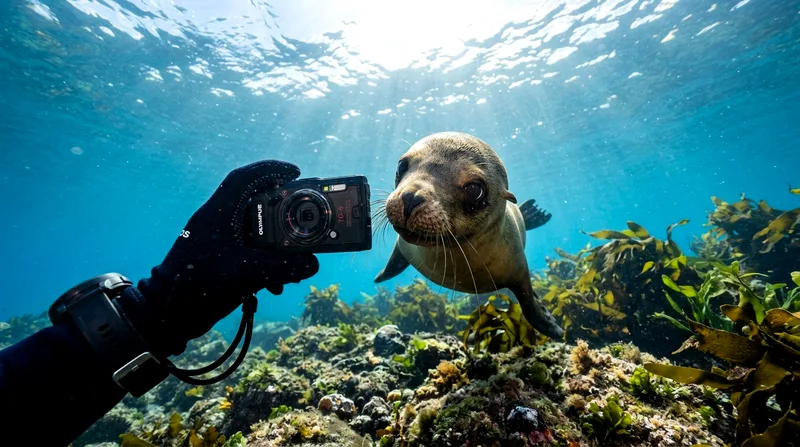
Small-group panga tours offer the best balance of cost, wildlife time, and accessibility for most travelers.
Cabo sea lion snorkel tour options compared by cost, duration, and fitness level
| Tour Type | Typical Price (USD, per person) | Duration | Water Time at Pelican Rock | Best For |
|---|---|---|---|---|
| Small-group panga tour | $40-70 | 1.5-2 hours | 30-45 min | Families, couples, first-timers |
| Combo tour (sea lions + El Arco) | $70-120 | 2-3 hours | 30-40 min | Sightseers wanting more coverage |
| Private charter | $150-400+ | Flexible, 2-4 hours | 45-60 min | Seniors needing easier boat access, small groups |
| Catamaran party cruise | $60-90 | 2-3 hours | 15-25 min | Groups prioritizing atmosphere over wildlife time |
| Independent kayak + snorkel | $15-25 (kayak rental) | Self-paced, 2-3 hours | Variable | Experienced open-water swimmers only |
Prices and durations are typical ranges; always check current rates and group size limits when booking.
Booking and pricing structure
Small-group panga tours focused specifically on sea lion snorkeling commonly run in the $40-70 per person range for a half-morning trip, usually including mask, snorkel, fins, and a life vest. Tours that bundle in El Arco sightseeing, a beach stop, or extra snorkel sites tend to sit higher, often $70-120. Private charters cost considerably more but let you set your own pace and skip shared-boat crowding. Most operators offer free cancellation up to 24 hours before departure, though policies vary — always confirm the cancellation window when you book, since weather cancellations near Land's End are common enough in winter that you'll want flexibility. Compare current boat tours and prices before you book, since availability shifts by season and operator.
Difficulty levels for families and seniors
This isn't a strenuous activity physically, but it does require comfort in open water. You'll typically jump or step off the boat ladder into water over your head, so non-swimmers and very young children should sit this one out — most operators set a minimum age around 6 to 8, though policies aren't universal, so ask directly. Fit seniors do this regularly; the limiting factor is usually the boat ladder climb back aboard, not the swimming itself, so mention any mobility concerns when booking so the operator can match you with a boat that has easier re-entry steps. Life vests are standard and recommended even for strong swimmers, since currents near the rocks can surprise people who assume calm, protected water.
Best Time to Snorkel with Sea Lions
Timing affects two separate things here: how active the sea lions are, and how comfortable the water feels. They don't always line up.
Seasonal conditions and sea lion activity
Sea lions are present at Pelican Rock year-round — they're residents, not migratory visitors like the whales that pass through Cabo from December to March. That said, pupping season in summer (roughly June through August) brings more juveniles into the water, and juveniles are generally the most playful and curious around snorkelers. Winter months bring calmer adult behavior but also coincide with whale watching season, so some operators run combo trips that tip their attention toward whales offshore rather than lingering at the rock. If sea lions are your main goal, say so when booking, and consider avoiding peak whale season crowds if you want a guide fully focused on the colony.
Weather and water temperature considerations
Water temperature swings meaningfully across the year — it can drop into the upper 60s°F (around 19-21°C) from January through March, which is bearable but noticeably cold without a wetsuit, and climbs into the low 80s°F (27-28°C) by August and September. Most reputable tours provide wetsuits or offer them as an add-on during cooler months; ask before you book if you run cold, since not every operator stocks them in every size. Hurricane season (roughly June through November, peaking August-October) can bring swell and occasional cancellations, so build a flexible day or two into your trip if this tour matters to you.
Nearby Add-Ons and Combination Activities
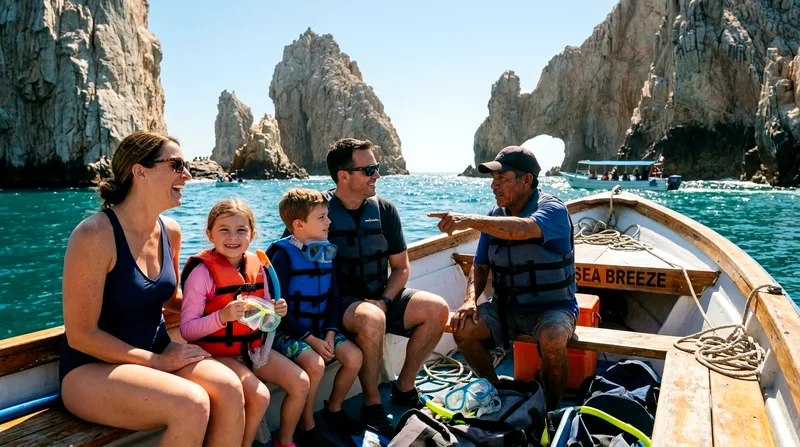
Because the boat has to pass through Land's End to reach Pelican Rock anyway, most itineraries bundle in a few extra stops without adding much time.
El Arco and Land's End sightseeing
El Arco, the natural rock arch at the very tip of the peninsula, sits a short boat ride from Pelican Rock, and nearly every sea lion tour cruises past it on the way out or back. It's worth asking whether your tour stops for photos here rather than just passing by at speed — some budget operators rush this part to maximize time elsewhere. The nearby Lover's Beach and Divorce Beach, split by the same rocky point, are popular quick stops if your tour includes a beach landing, though a few outfits skip it entirely to focus on the snorkeling.
Complementary water activities and tours
If you want more ocean time on the same trip, look at operators offering a second snorkel stop at Santa Maria Bay or Chileno Bay, both calmer, reef-protected spots better suited to kids or nervous swimmers than the open current near Land's End. Sportfishing charters and sunset sailing trips also depart from the same marina and can be booked separately for another day. Travelers splitting time between Cabo and nearby La Paz sometimes compare this experience to La Paz's own sea lion colony at Los Islotes — that spot is farther from the hotel zone but generally calmer and less trafficked by tour boats, a trade-off worth knowing if you're deciding between bases for your trip.
Frequently asked questions
Is snorkeling with sea lions safe for beginners?
Yes, with reasonable caution. You need basic swimming ability and comfort with a mask and snorkel in open water — a life vest helps beginners stay relaxed. Guides keep a respectful distance from adult sea lions and brief you before entry. The main risk isn't the animals but currents near Land's End, which is why going with a guide beats attempting it solo.
What is the best time of year to see sea lions in Cabo?
Sea lions live at Pelican Rock year-round, so there's no closed season. Summer (June-August) brings playful pups and the most active interactions. Winter offers calmer adult behavior but overlaps with whale watching season, which can shift a guide's focus if you're on a combo tour.
Can seniors and children participate in sea lion snorkeling tours?
Many seniors do this comfortably if they're reasonably fit swimmers; the main challenge is climbing the boat ladder, so mention mobility concerns when booking. Most operators set a minimum age around 6-8 for children, since they must be confident in water over their heads wearing a life vest.
What marine life will I see besides sea lions?
Expect king angelfish, parrotfish, sergeant majors, and occasionally rays gliding along the sandy bottom near the rocks. The mixing of Pacific and Sea of Cortez currents at Land's End keeps the area more biologically active than a single-current site, though sea lions remain the headline attraction.
How long does a typical sea lion snorkeling tour last?
Most boat tours run 1.5 to 3 hours total, including the ride from the marina, with 30 to 45 minutes of actual snorkeling time at Pelican Rock. Combo tours that add El Arco sightseeing or a second snorkel stop run closer to 3 hours.