Book a whale shark tour from Cabo to La Paz. Learn what's included, best season, safety tips, and how to snorkel with these gentle giants.
What Are Whale Sharks and Why Visit
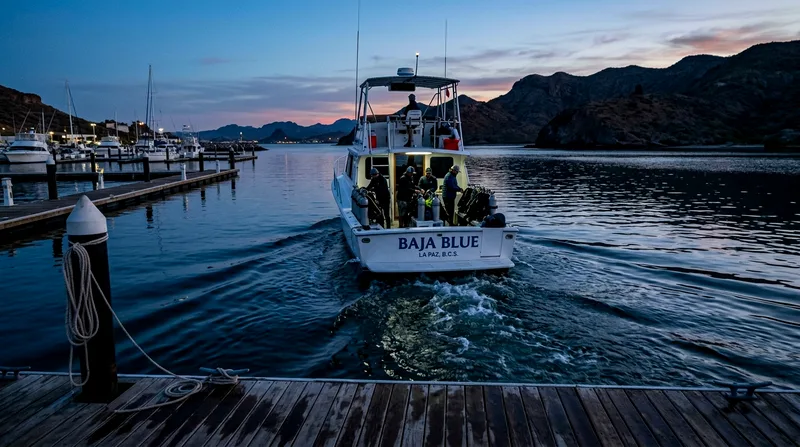
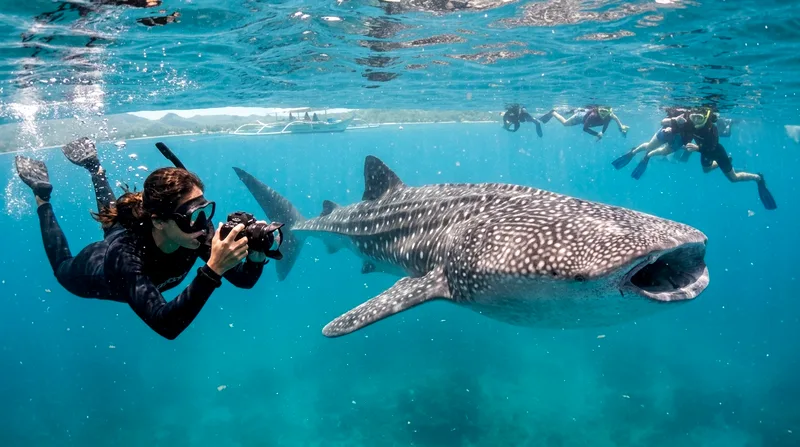
Whale sharks are the largest fish in the ocean, routinely reaching 20 to 30 feet, with some recorded well past 40. Despite the name and the size, they're filter feeders — no teeth to worry about, no interest in you beyond mild curiosity. They feed by swimming slowly through plankton-rich water with their mouths open, which is exactly why La Paz's bay works so well: nutrient upwellings in the Sea of Cortez concentrate plankton close to shore, and juvenile whale sharks show up to gorge on it.
If you want to swim with whale sharks Cabo-adjacent, understand up front that the encounter itself takes place in Bahía de La Paz, not in Cabo's waters. Cabo San Lucas sits at the southern tip of the Baja California peninsula; La Paz is roughly 150 miles north along the Sea of Cortez side. Tour operators market these as "Cabo whale shark tours" because that's where most visitors are staying, but the swimming happens after a two-to-three-hour drive or short flight.
I'd argue the trip is worth it anyway. Unlike cage-diving with great whites or chasing migratory whale sharks in open ocean off Mexico's Caribbean coast, La Paz offers near-shore, shallow, calm-water encounters — often in water 15 to 30 feet deep, sometimes less. That makes it accessible to moderately confident swimmers, not just certified divers. Compare that to whale shark snorkeling off Isla Holbox near Cancun or Playa del Carmen, which involves longer boat runs into open Caribbean water and choppier conditions. La Paz is calmer, shorter, and cheaper to reach if you're already based in Los Cabos.
How to Get There and Tour Options
Getting from Cabo to the whale sharks means getting to La Paz first, and you have two real paths: drive yourself, or let a tour handle logistics. Neither is dramatically better — it depends on how much control you want over your day.
A guided day trip from Cabo costs more but removes the permit, gear, and navigation hassle of arranging the La Paz boat yourself.
Swim with whale sharks Cabo: comparing ways to reach La Paz
| Option | Travel Time from Cabo | Typical Cost (USD) | Flexibility | Best For |
|---|---|---|---|---|
| Guided day tour from Cabo | approx. 2-2.5 hrs each way by van | $150-$250 pp | Low — fixed schedule | First-timers, no rental car |
| Self-drive + local La Paz operator | approx. 2-2.5 hrs each way | $100-$180 pp (excl. car rental) | High — own pace | Independent travelers, longer La Paz stay |
| Fly Cabo to La Paz + local operator | approx. 30-40 min flight | $180-$300 pp (incl. flight) | Medium | Time-pressed travelers |
| Overnight in La Paz, book locally | Travel day + full day | $100-$180 pp | Highest | Divers, photographers, repeat visitors |
Figures are typical ranges; confirm current pricing and inclusions directly with the operator before booking.
Independent travel to La Paz
Driving from Cabo San Lucas to La Paz takes about two to two and a half hours via Highway 19 or the slightly longer Highway 1 through San José del Cabo. Rental cars are easy to arrange at Los Cabos International Airport, and the roads are paved and well-maintained, though Highway 19 has long stretches without services — fill the tank before leaving. Once in La Paz, you'd still need to book a whale shark excursion through one of the local cooperatives or outfitters that hold permits for the Bahía de La Paz protected area; walk-up bookings exist but are unreliable in peak months. Independent travel saves you the group-tour markup and gives you flexibility to add a night in La Paz, but it also means arranging your own boat permit, gear, and a guide trained in whale shark interaction protocols — not optional under Mexican federal regulation.
Guided tour operators from Cabo
Most visitors book a packaged day trip directly from Cabo San Lucas or San José del Cabo. These typically include round-trip transportation by van or bus, a licensed La Paz boat captain and guide, snorkel gear, and a stop at Espíritu Santo Island or a beach for lunch. Expect pickup as early as 5:30 or 6:00 a.m. and a return to your Cabo hotel around 6:00 or 7:00 p.m. — this is a long day, not a half-day excursion. The appeal is simple: one booking, no permit-chasing, no navigating unfamiliar roads before sunrise. The trade-off is less flexibility and a fixed group schedule. When comparing options, check current prices and itineraries before you book, since inclusions and pickup times vary by operator and season.
Tickets, Pricing and What's Included
There's no single standardized "ticket" for whale shark tours the way there is for a museum or a cable car — pricing and inclusions vary by operator, so treat published numbers as a starting range rather than a fixed rate.
Entry and booking structure
Access to whale sharks in Bahía de La Paz is regulated by Mexico's federal environmental agency, and only permitted boats with trained guides are allowed to bring swimmers near the animals. That permit system is actually a good thing for you as a traveler — it caps the number of boats in the water at once and limits how many swimmers can be in the water per sighting (typically small groups of 4 to 6 at a time, rotating). Booking usually happens online in advance through the tour operator rather than at a ticket counter, and confirmation often depends on boat availability that day rather than a fixed calendar slot.
Typical inclusions and add-ons
Day trips from Cabo generally run in the range of $150 to $250 USD per person, though that spans a wide quality difference — some include lunch, bottled water, and a stop at Espíritu Santo Island for a second snorkel session; cheaper versions may just be transport plus the boat. Gear rental (mask, snorkel, fins, sometimes a wetsuit) is usually included, but underwater camera rental or a GoPro add-on often costs extra, typically $20 to $40. One thing I don't love: some lower-cost operators skimp on the marine biologist or trained-naturalist guide, relying instead on boat captains with minimal interpretive training. If understanding the animal's behavior matters to you, ask specifically who's narrating the swim before you book — compare current prices and what's included across a few options rather than grabbing the cheapest listing.
Best Time to Swim with Whale Sharks
Whale shark season in the Cabo-La Paz region runs roughly from mid-October or November through April, with December through February generally considered the most reliable window for consistent sightings.
Peak season and water conditions
The best time whale sharks La Paz show up correlates with cooler water temperatures and plankton blooms that draw juveniles into the shallow bay. Outside this window — say, June through September — whale sharks largely move elsewhere, and operators running "whale shark tours" during off-season months are often substituting a general snorkel or sea lion trip, which is worth knowing before you book based on photos alone. Water visibility during peak season in La Paz bay tends to run 15 to 40 feet, not the gin-clear conditions you'd find around Cozumel, but perfectly workable for close-up viewing since the animals swim near the surface.
Weather and crowd considerations
December and January bring cooler air temperatures in the high 60s to low 70s Fahrenheit, which surprises travelers expecting Cabo's warmth — pack a light jacket for the boat ride even if you're snorkeling. Crowds peak around the Christmas and New Year holiday weeks and again during North American spring break in March; if you want a quieter boat with fewer swimmers rotating in and out, aim for a weekday in late January or February instead.
Safety, Preparation and Nearby Add-Ons
Whale shark tour safety tips matter here because this is wild-animal snorkeling in open water, not a controlled aquarium exhibit — preparation changes how much you actually get out of the day.
Health and safety guidelines
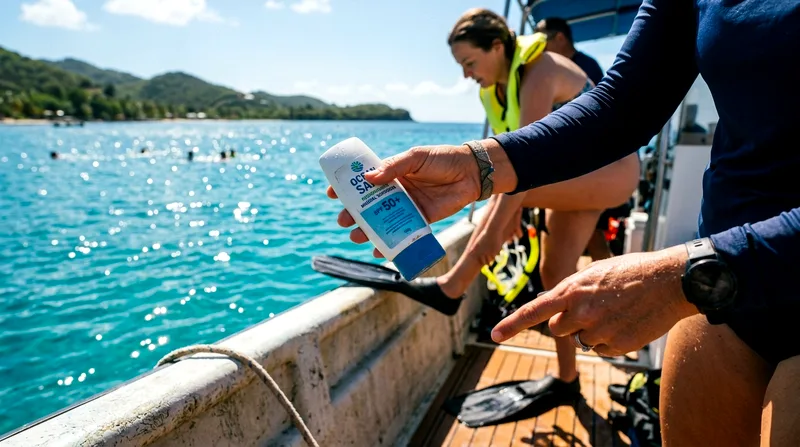
Mexican federal regulations prohibit touching the whale sharks, require swimmers to stay at least 2 meters from the body and 3 meters from the tail, and cap group sizes in the water. Sunscreen is typically restricted to reef-safe, biodegradable formulas, since standard sunscreen chemicals harm the plankton the sharks feed on — bring your own if you have a preference, since boat-supplied options vary. Swimmers should be reasonably comfortable in open water with no floor beneath them; a life vest is usually available for anyone uneasy, and I'd recommend using one rather than skipping the swim altogether. Motion sickness is a real factor on the open bay, so take medication beforehand if you're prone to it — there's rarely anywhere discreet to recover on a small boat.
Nearby attractions in La Paz
Most full-day tours pair the whale shark swim with a stop at Espíritu Santo Island, a protected UNESCO-listed island with sea lion colonies and beaches that rival anything in Los Cabos for clear water, minus the crowds. If you have an extra day, La Paz's malecón (waterfront promenade) is worth a slow evening walk, with seafood spots considerably cheaper than equivalent restaurants in Cabo's marina district. Travelers stretching the trip further sometimes combine La Paz with a stop in Todos Santos on the drive back — a quieter, artsier town than anything in the Cabo corridor, and a reasonable antidote if the tour boats felt too busy.
Frequently asked questions
Are whale sharks dangerous to swim with?
No. Whale sharks are filter feeders with no teeth capable of harming a person, and they're generally indifferent to swimmers. The real risks are open-water conditions — currents, boat traffic, and swimmer fatigue — not the animal itself. Keep the required distance (2 meters from the body, 3 from the tail) and you're not in danger.
What is the best month to see whale sharks?
December through February offers the most consistent sightings in La Paz, with the broader whale shark season in Cabo running November through April. Outside that window, sightings drop off sharply as the sharks migrate elsewhere, so avoid booking a "whale shark tour" in summer months without confirming current sightings first.
How far is La Paz from Cabo San Lucas?
About 150 miles, roughly a two to two-and-a-half hour drive on paved highway. A short flight between La Paz and Los Cabos International Airport takes about 30 to 40 minutes, though most day-trippers go by road as part of a packaged tour.
What should I bring on a whale shark tour?
Reef-safe sunscreen, a light jacket or towel for the boat ride (water and wind make it cooler than Cabo's beaches), a swimsuit worn under your clothes, a hat, sunglasses with a strap, and cash for tips or snacks. Bring your own underwater camera if you want photos, since rentals aren't guaranteed on every boat.
Can I book a whale shark tour independently or only with a guide?
You can drive to La Paz yourself and book directly with a locally permitted operator, which often costs less than a packaged Cabo tour. But you cannot swim with the whale sharks without a licensed guide and permitted boat — independent, unguided encounters aren't legally allowed in the protected bay.