Cabo whale watching tour price breakdowns by boat type, duration, and season — plus honest ways to save without booking a sketchy operator.
Where Your Whale Watching Money Goes
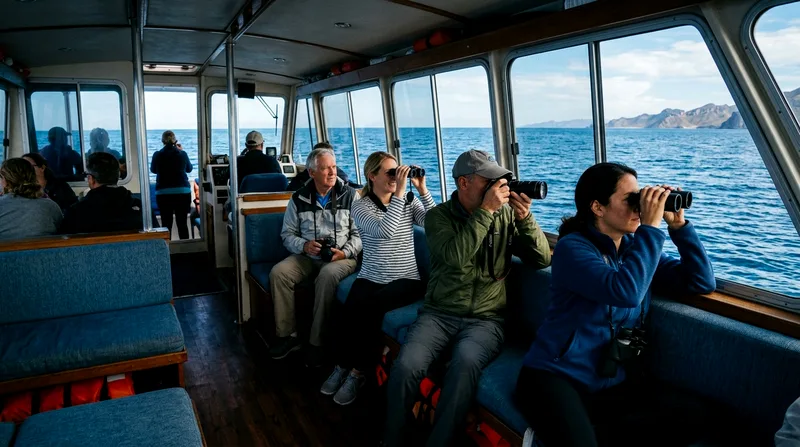
A Cabo whale watching tour price isn't arbitrary. Most operators are pricing in three things: the boat, the fuel, and the person steering you toward the whales rather than away from them. Once you understand that breakdown, the spread between a $45 tour and a $140 tour makes a lot more sense.
Cabo San Lucas sits where the Pacific Ocean meets the Sea of Cortez, and that geography matters for cost. Boats running Pacific-side routes toward Migriño or Todos Santos burn more fuel and spend more time in open swell than boats staying closer to the marina or ducking into the calmer Sea of Cortez side near Chileno Bay. Longer runs cost more to operate, and that gets passed to you.
I'd rather pay a bit more for a boat that isn't cutting corners on maintenance than save $20 and end up on something that struggles against the swell. That's not scare-mongering — it's just how small marine tour operations work in Baja California Sur, where margins are thin and fuel prices fluctuate.
Boat Operation and Fuel Costs
Fuel is the single biggest variable cost on any whale watching trip. A panga (open skiff) holding 6-10 people burns far less than a 40-foot catamaran holding 40, but the catamaran spreads that cost across more passengers — which is partly why larger group tours can sometimes undercut small-boat prices per person. Insurance, dock fees, and routine engine maintenance also factor into the base price, and operators running well-maintained vessels with current safety certifications simply cost more to run than ones cutting corners. That difference rarely shows up until something goes wrong.
Guide Expertise and Naturalist Fees
A trained marine naturalist who can read whale behavior, maintain legal distance, and explain what you're seeing costs more to employ than a boat driver with no biology background. Higher-end tours in Cabo often advertise a bilingual naturalist guide as a selling point, and it's worth paying for — the difference between someone who spots a blow from half a mile out and someone who's just driving in circles hoping for a sighting is significant. Budget tours sometimes skip this role entirely, relying on the captain to narrate between navigation duties.
Price Ranges by Tour Type and Duration
Whale watching tour duration and price track together fairly predictably in Cabo, though not perfectly — a short, high-end small-group tour can cost more than a longer budget one. Knowing the typical brackets helps you spot an outlier before you book it.
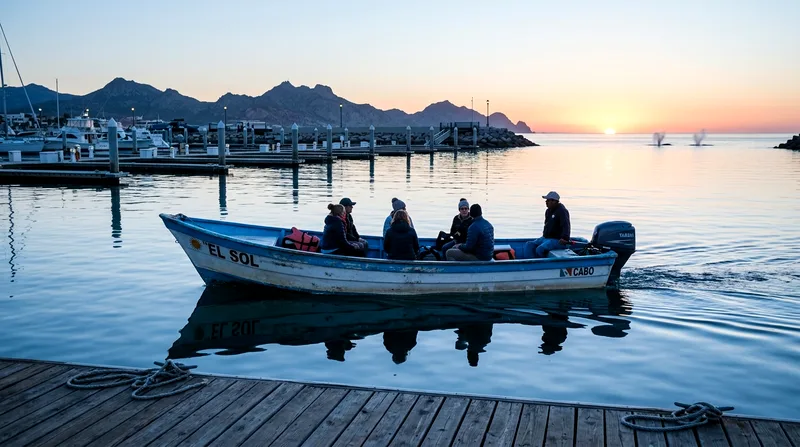
Shared pangas run cheapest per person, while small-group and combo boats cost more but generally include better guiding and amenities.
Cabo whale watching tour price by boat type and duration
| Tour Type | Typical Duration | Typical Price (per adult) | Group Size | Best For |
|---|---|---|---|---|
| Shared panga tour | 2-2.5 hours | $45-$75 | 8-15 passengers | Budget travelers, quick trip |
| Standard cruiser boat | 2.5-3 hours | $65-$95 | 20-40 passengers | Families, first-timers |
| Small-group/catamaran | 3-3.5 hours | $100-$150 | 6-12 passengers | Couples, photographers |
| Full-day combo tour | 5-7 hours | $140-$220 | Varies | Snorkeling + whales, groups wanting more |
| Private charter | 3-4 hours | $400-$900+ total | 1-6 passengers | Privacy, flexible timing |
Figures are typical market ranges in Baja California Sur and vary by season, boat size, and what's included — always check current prices when booking.
Half-Day Tours
Most whale watching in Cabo happens on half-day tours of two to three hours, departing either from the marina downtown or from Medano Beach. These are the bread-and-butter option — priced generally between $45 and $95 per adult depending on boat size. Children often ride for 50-70% of the adult rate, and some operators let toddlers under 3 go free. Watch out for tours priced noticeably below $40; that's usually a sign of an oversized group, no bathroom on board, or a captain doing double duty without an actual naturalist guide.
Full-Day Tours and Combo Experiences
Full-day combo tours bundle whale watching with snorkeling, a stop at Santa Maria or Chileno Bay, and sometimes lunch — running $140 to $220 per person. These make sense if you only have one boat day in your Cabo itinerary and want to maximize it. But if whales are genuinely your priority, a dedicated half-day tour during peak season (roughly mid-December through March) usually delivers more focused time on the water looking for them, rather than splitting attention between snorkeling gear and whale spotting.
Legitimate Ways to Save on Tours
There's no discount code that beats good timing. The most reliable ways to lower a Cabo whale watching tour price are structural — when you go, how far ahead you book, and whether you bundle it with something else you were already planning to do.
Book During Shoulder Season
Whale watching season in Cabo runs roughly December through April, with humpback and gray whale activity peaking in January and February. Early December and April tend to see slightly lower prices and smaller crowds than peak January-February weeks, while sightings are still reasonably strong — gray whales often linger into early spring. Compare that to Puerto Vallarta or Mazatlan, where whale season timing is similar but tour pricing tends to run a touch lower due to less overall demand; Cabo's prices reflect its status as a bigger international draw.
Purchase Multi-Activity Packages
If you're already planning a snorkeling trip to Santa Maria Bay or a sunset sail past El Arco, ask whether the operator offers a combo rate that adds whale watching. Bundled combo tours generally cost less per activity than booking two separate standalone trips, even though the total ticket price is higher. This works especially well in Cabo because so many boat operators run multiple activity types from the same marina — unlike Tulum or Playa del Carmen, where whale watching isn't even on the menu and boat tours focus on reefs and cenotes instead.
Book in Advance
Booking a week or more ahead, rather than walking up to a marina kiosk the morning of, typically gets you better availability on smaller boats and sometimes a modest early-booking rate. Walk-up prices at the marina fluctuate based on how full that day's boats already are — sometimes cheaper if a boat needs to fill seats, sometimes more expensive if demand is high. Advance booking removes that gamble and guarantees your preferred departure time, which matters more during the January-February peak when popular morning slots sell out by midweek.
What's Not Worth Skimping On
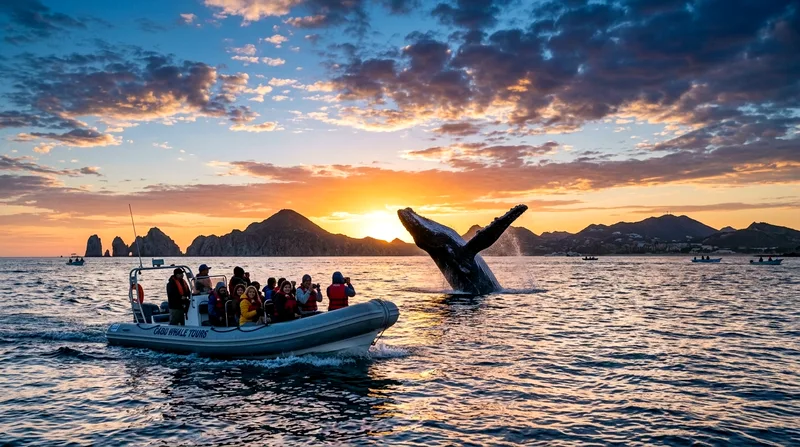
Saving money on a whale watching tour is smart. Saving money by choosing the cheapest boat on the dock without asking why it's cheap is not. There are a couple of places where cutting corners genuinely increases risk, not just lowers comfort.
Safety Equipment and Vessel Maintenance
Every legitimate whale watching operator in Cabo San Lucas should carry life jackets for all passengers, a working radio, and a captain licensed by Mexican maritime authorities. Ask directly if a tour provides life vests and whether the boat has a covered area — open pangas in the Pacific swell outside the marina can get rough, and exposure matters more than people expect on a 2.5-hour trip. A noticeably cut-rate price is sometimes the result of an older boat running on minimal maintenance. That's one place I wouldn't trade savings for risk.
Experienced Marine Guides
Whale watching regulations in Mexican waters require boats to maintain a minimum distance from whales and limit approach time — rules a trained guide knows and follows. An inexperienced or rushed captain chasing a sighting for a better photo op is both a legal problem and a welfare issue for the whale. Tours with naturalist guides from reputable operators tend to respect these limits more consistently than bargain tours optimizing for volume over quality. If a listing doesn't mention a guide or naturalist at all, that's worth asking about before you pay.
Booking Checklist for Best Value
Before you hand over a credit card number, run through a short mental checklist. It takes two minutes and prevents the two most common complaints about budget whale tours: overcrowding and vague cancellation terms.
Verify Inclusions Before Booking
Confirm exactly what's in the advertised price: hotel pickup, bottled water, snorkel gear if it's a combo tour, and a weather-related rebooking policy. Many Cabo operators offer free rescheduling if whales aren't sighted or weather cancels the trip — but policies vary, and some only offer credit toward a future tour rather than a refund. Compare this to La Paz, where whale shark tours (a different animal and season) often have stricter no-sighting policies. Ask specifically whether your Cabo tour guarantees a rebooking if no whales are spotted, and get it in writing or in the confirmation email before paying the balance.
Frequently asked questions
What is the typical price range for a Cabo whale watching tour?
Shared half-day tours generally run $45-$95 per adult, small-group or catamaran tours run $100-$150, and full-day combo trips with snorkeling run $140-$220. Private charters start around $400-$900 total depending on boat size and duration. Always confirm current prices when booking, since fuel costs and seasonal demand shift rates.
Are whale watching tours cheaper during certain months?
Early December and April — the edges of whale season — tend to run slightly lower than the January-February peak, when demand and prices both rise. Sightings are still solid during shoulder weeks, particularly for gray whales, which linger later into spring than humpbacks.
What's included in the tour price?
Most tours include the boat ride, a captain, and basic safety equipment like life jackets. Higher-priced tours add a naturalist guide, bottled water, hotel pickup, and sometimes snorkeling gear on combo trips. Always ask specifically — "included" varies a lot between a $50 panga tour and a $150 small-group trip.
Is it cheaper to book whale watching tours online or in person?
It depends on the day. Booking online in advance locks in availability and sometimes a modest early-booking rate, while walk-up marina prices can occasionally drop if a boat needs to fill empty seats close to departure. Advance booking is the safer bet during January and February when boats sell out.
Do combo packages offer better value than standalone tours?
Generally yes, if you were already planning both activities. A combined whale watching and snorkeling tour usually costs less per activity than booking two separate trips, though the total upfront price is higher. If whales are your main interest, a dedicated half-day tour still gives more focused time searching for them.