Compare zodiac and catamaran whale tours in Cabo San Lucas. See which offers better whale encounters, comfort, seasickness risk, and value.
Zodiac vs Catamaran at a Glance
Cabo whale watching zodiac vs catamaran comes down to one trade: proximity versus comfort. Both vessels run from marinas near Cabo San Lucas into the same waters — the Pacific side and the mouth of the Sea of Cortez — chasing the same gray whales, humpback whales, and occasionally fin whales or blue whales that pass through between roughly mid-December and mid-April. The vessel you pick changes almost everything else about the experience.
A zodiac is a rigid-hulled inflatable boat, usually carrying 6 to 12 passengers, with an open design and no shade structure. A catamaran is a larger sailing or motor-powered vessel that can carry anywhere from 30 to 100+ passengers, with multiple decks, shaded seating, and sometimes a cash bar or snack service. One is built for speed and maneuverability; the other for stability and group capacity.
Zodiacs get you closer to whales in Cabo San Lucas, while catamarans trade proximity for stability, shade, and onboard comfort.
Cabo whale watching zodiac vs catamaran: key differences compared
| Vessel Type | Group Size | Typical Duration | Motion/Comfort | Best For | Approx. Price Range (USD) |
|---|---|---|---|---|---|
| Zodiac | 6-12 passengers | 2-3 hours | Bumpy, open-air, low to water | Thrill-seekers, photographers | $70-$110 |
| Catamaran | 30-100+ passengers | 2.5-4 hours | Stable, shaded decks, smoother | Families, seniors, groups | $60-$100 |
Typical figures; exact pricing, group size, and duration vary by operator and season, so check current prices when booking.
What Each Vessel Offers
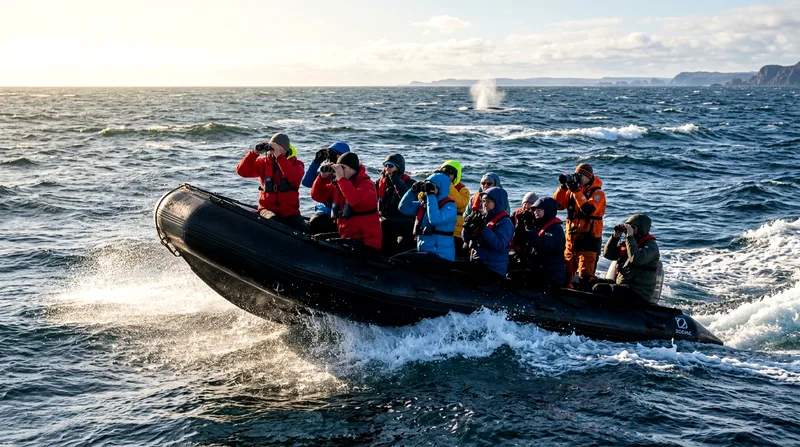
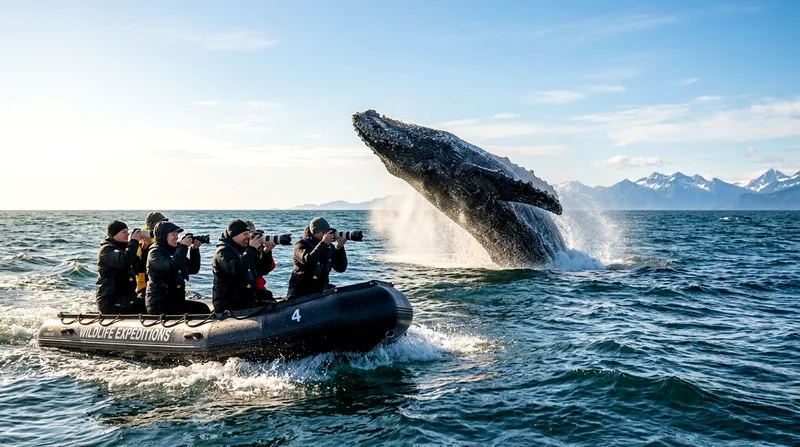
The zodiac's appeal is agility. Captains can cut the engine and drift quietly near a whale, then reposition fast if the pod moves — something a 60-foot catamaran simply can't do with the same speed or silence. You sit low, at near water level, which makes a breaching humpback feel enormous and close.
The catamaran's appeal is the social, resort-style experience. Expect a sun deck, a shaded lower deck, bathrooms on board, and room to walk around rather than stay belted into a single seat. Many catamaran trips double as a sunset or snorkel cruise, bundling whale watching with Cabo's other marine attractions rather than treating it as the sole focus.
Key Differences Summarized
If you want one gut-check question to decide: do you care more about how close you get, or how steady you feel? Zodiacs win on proximity, speed, and small-group intimacy. Catamarans win on comfort, capacity, and amenities. Neither guarantees a breach — no operator legitimately can, whatever marketing implies — but both operate in a region where sighting rates during peak season are consistently high, with many trips spotting at least one whale.
Closeness to Whales and Wildlife
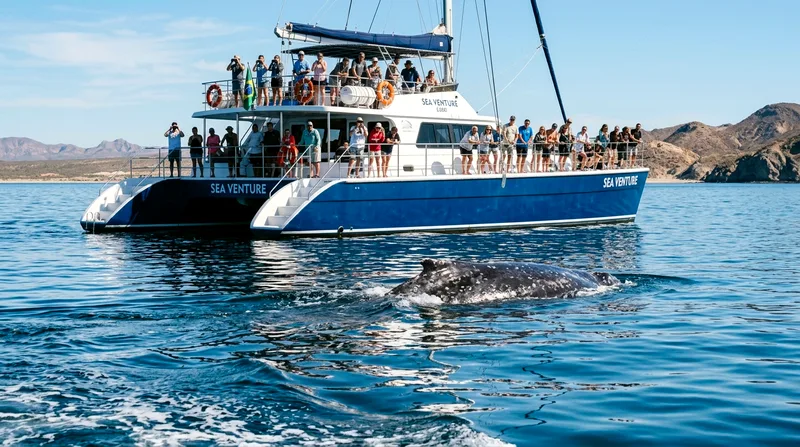
This is where the two tours diverge most sharply, and it's the main reason to pick one over the other. Mexican federal regulations require all vessels to stay at least 60 meters (about 200 feet) from whales, with some flexibility if a whale approaches the boat on its own — which happens often with curious gray whales in particular. The rule is the same for both vessel types. What differs is how each boat uses that rule.
Zodiac Agility and Access
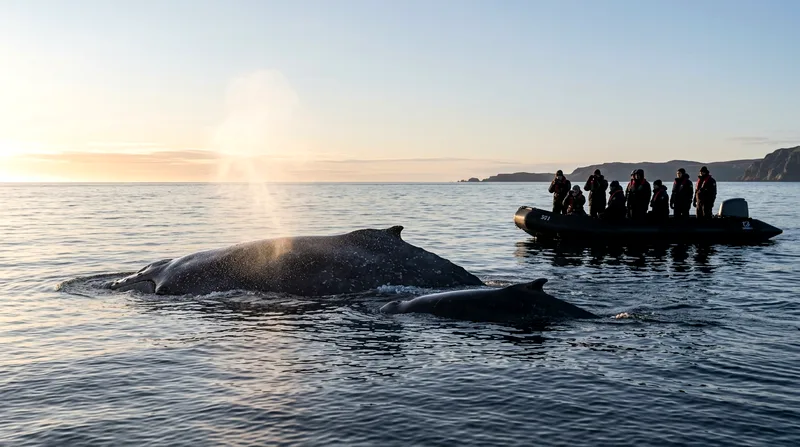
A zodiac can idle, pivot, and hold position in ways a large vessel can't. Captains often cut the motor and let the boat drift, which keeps noise down and sometimes draws whales closer voluntarily — gray whales in the Sea of Cortez and Pacific approaches are known to approach boats that stay still. Sitting at near-sea-level in an open boat also changes the perception of scale; a 40-ton humpback surfacing 60 meters away feels dramatically closer than the same distance viewed from a catamaran's upper deck.
Catamaran Stability and Sightings
Catamarans don't lose much on sighting rate — their height advantage actually helps spot distant blows and breaches that a low zodiac might miss. The trade-off is engagement. You're often one of 40 or 60 people photographing the same whale from a higher, more distant vantage point, and the boat's size limits how tightly it can track a moving pod. If pure encounter intensity matters more to you than overall sightings, the catamaran can feel more like watching from a viewing platform than being part of the water.
Comfort and Seasickness Risk
Cabo whale watching comfort is the deciding factor for a lot of travelers, and it deserves more attention than most tour listings give it. The Pacific side of Cabo San Lucas, where many whale tours operate, tends to have more swell than the calmer Sea of Cortez side — so conditions vary by route, not just by boat type.
Zodiac Motion and Exposure
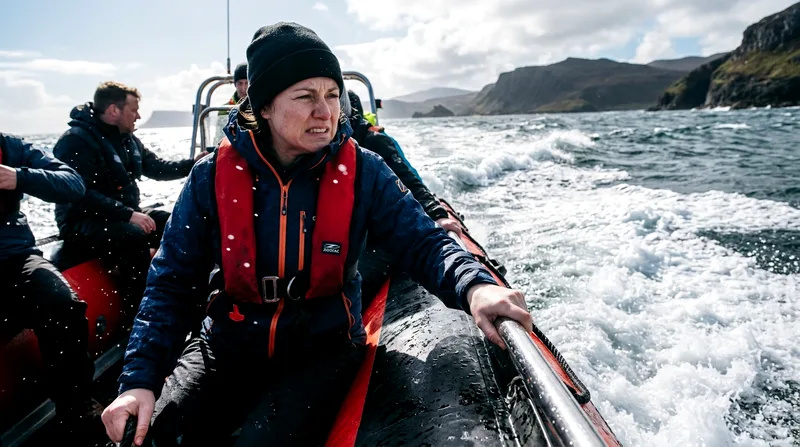
Zodiacs ride low and react to every swell. On a choppy morning, expect bouncing, occasional spray, and no shade or walls to retreat behind. There's no indoor cabin, no bathroom, and no real break from the motion for two to three hours. If you get seasick on ferries or small fishing boats, a zodiac will likely be rough on you. Take motion sickness medication — meclizine or a scopolamine patch, available over the counter or by prescription — at least 30 to 60 minutes before boarding, not after you start feeling queasy.
Catamaran Smoothness and Amenities
Twin-hull catamarans are inherently more stable than single-hull boats or inflatables, which is why cruise lines and ferry operators use the same design worldwide. Add a shaded deck, a bathroom, and often padded seating, and the catamaran becomes the far gentler option for anyone with back problems, inner-ear sensitivity, or general nervousness about open water. The downside: on a crowded trip, finding a clear sightline to the rail when a whale surfaces can mean competing with dozens of other passengers for space.
Cost and Value Comparison
Price differences between the two formats are smaller than people expect — it's not a budget-versus-luxury split so much as a group-size-versus-exclusivity one.
Typical Pricing Structures
Zodiac tours in Cabo typically run somewhere in the $70 to $110 per adult range for a shared small-group trip, reflecting the lower passenger count and more hands-on captain attention. Catamaran whale tours often land around $60 to $100 per adult, sometimes less if bundled with a broader sunset or snorkel cruise. Private zodiac charters exist too, usually priced well above group rates since you're paying for the whole boat rather than a seat. Always compare current prices when booking, since seasonal demand around January and March — peak humpback and gray whale months — pushes rates up on both vessel types.
What's Included in Each Tour
Zodiac tours tend to be bare-bones: life jackets, a guide/captain, sometimes bottled water, and that's it. Catamaran tours more often include bathrooms, shade, snacks or light refreshments, and sometimes an open bar on longer sunset-combo trips. Neither format commonly offers a money-back whale sighting guarantee, though some operators offer a free repeat trip if no whales are seen — ask directly before booking, since this varies operator to operator and isn't standard across the industry.
Who Should Choose Each Option
Neither vessel is objectively better — they serve different travelers, and being honest about your own tolerance for motion and crowding will save you a miserable morning.
Best for Zodiac Tours
Choose the zodiac if you're a solo traveler, a couple wanting a more active outing, or a photographer who wants an unobstructed, low-angle shot. It also suits travelers who've done the standard catamaran whale-watch elsewhere — Mazatlan and La Paz both run similar small-boat trips — and want something more immersive this time. Skip it if you have a bad back, are pregnant, or have young kids who can't sit still through two hours of bouncing on open water.
Best for Catamaran Tours
Choose the catamaran if you're traveling with children, aging parents, or a larger group that wants to split up and move around during the trip. It's also the better call for anyone combining whale watching with a sunset cruise or open bar — a pairing you won't find on a zodiac. Skip it if you want an intimate, high-adrenaline encounter; the comfort trade-off is real distance and real crowd noise.
Final Verdict
Both boats work the same waters and see the same whales, so this isn't really a question of which tour is "better" overall — it's which discomfort you're willing to accept. Zodiac tours ask you to tolerate chop, spray, and no bathroom in exchange for proximity most catamaran passengers never get. Catamarans ask you to accept distance and crowd size in exchange for stability, shade, and amenities.
For comparison, this same trade-off shows up elsewhere in Mexico — whale shark tours out of Cancun and La Paz split along similar lines, small skiff versus larger boat. If you've done a bumpy panga trip in La Paz and loved it, the Cabo zodiac will feel familiar. If you preferred a smoother Puerto Vallarta bay cruise, book the catamaran here too. Check current prices and availability for both before you commit — peak whale season weeks fill fast, and some operators cap zodiac trips at a handful of departures per day.
Frequently asked questions
Which tour offers closer whale encounters?
Zodiacs generally get closer, thanks to their speed, low profile, and ability to idle quietly near a pod. Catamarans can still get strong sightings because of their height advantage for spotting distant blows, but the felt sense of proximity is lower given the larger deck and passenger count.
Am I more likely to get seasick on a zodiac or catamaran?
Zodiacs carry higher seasickness risk because they sit low, lack a cabin, and react sharply to swell. Catamarans, with their twin-hull design, are noticeably more stable. If you're prone to motion sickness, take medication like meclizine 30-60 minutes before boarding regardless of which boat you choose.
How much does a whale watching tour cost in Cabo?
Shared zodiac tours typically run $70-$110 per adult; catamaran tours often run $60-$100 per adult, sometimes bundled with sunset or snorkel add-ons. Private zodiac charters cost significantly more. Prices shift with peak season demand in January through March, so compare current rates before booking.
What's the difference in tour length between zodiac and catamaran?
Zodiac trips typically run 2 to 3 hours, focused solely on whale watching. Catamaran trips often run 2.5 to 4 hours and may include sunset viewing, snorkeling, or drinks as part of the package, making the total outing longer even if active whale-watching time is similar.
Which tour is better for families with children?
Catamarans are the safer, more practical choice for families, especially with kids under 10. They offer shade, bathrooms, and room to move, while zodiacs require sitting still through open-water bouncing for hours with no facilities — manageable for older kids and teens, but tough for younger ones.