Compare Cabo San Lucas scuba diving tours by site, depth, and skill level. Sand Falls, Pelican Rock, and Gordo Banks explained with booking tips.
Who Each Dive Tour Type Suits
Cabo San Lucas scuba diving tours generally split into three categories: discovery dives for the uncertified, certified reef and wreck dives for Open Water-level divers, and deep or drift dives aimed at Advanced divers. Picking the wrong one is the single most common mistake people make when booking online from home, usually because the tour listing photo looks appealing without specifying depth or current conditions.
Where you land in that split should shape everything else — group size, boat type, and how much you'll spend. A discovery dive typically runs shallow, under an instructor's direct control, while an Advanced-level trip to somewhere like Gordo Banks assumes you can manage your own buoyancy and air consumption in open water with no reef wall nearby.
Beginner and discovery divers
If you've never dived before, look for a "discovery" or "introductory" dive tour — these include a short briefing on land or on the boat, then a guided dive to roughly 20-30 feet, usually at a sheltered site near Lands End. No certification is required, but most operators ask that you complete a basic medical questionnaire, and if you have asthma, heart conditions, or recent surgery, you may need a doctor's sign-off. Expect a group of four to eight people per instructor, with full gear rental included in the price. I'd skip any discovery tour that bundles diving with snorkeling and sightseeing in one rushed afternoon — you get maybe 20 minutes underwater, which barely covers the learning curve on buoyancy control.
Certified intermediate and advanced divers
Open Water certified divers have the most tour options in Cabo, covering everything from Pelican Rock's rocky slopes to two-tank trips combining a Sea of Cortez site with a Pacific-side reef. Advanced Open Water divers unlock deeper sites — Gordo Banks in particular requires comfort below 80 feet and often moderate current, so operators will ask to see your certification card and log book before confirming a spot. If your last dive was more than a year ago, book a refresher pool session first; most dive shops near the marina offer one for a modest add-on fee, and showing up rusty on a boat full of experienced divers is awkward for everyone, including you.
Top Cabo Dive Sites Compared
Cabo San Lucas sits at the point where the Sea of Cortez meets the Pacific Ocean, which is the main reason the diving varies so much within a short boat ride. Sites on the Cortez side tend to be calmer and warmer; Pacific-facing sites get more swell, cooler water, and better odds of pelagic sightings. Any tour roundup that treats "Cabo diving" as one experience is oversimplifying it — site choice matters as much as operator choice.
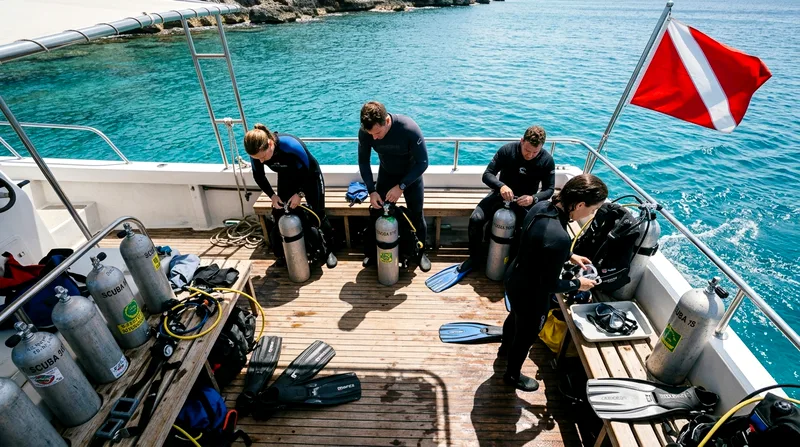
Sand Falls suits beginners and Pelican Rock suits convenience, while Gordo Banks is the deep, current-driven dive reserved for Advanced certified divers.
Cabo San Lucas scuba diving tours: dive sites compared by depth, difficulty, and marine life
| Dive Site | Depth Range | Difficulty | Marine Life | Best For |
|---|---|---|---|---|
| Sand Falls | 25-100 ft | Beginner to intermediate | Sea lions, rays, reef fish | Open Water divers, first-timers with instructor |
| Pelican Rock | 10-60 ft | Beginner | Sea lions, tropical fish | Discovery dives, families, snorkel-dive combo trips |
| Gordo Banks | 80-130+ ft | Advanced | Hammerhead sharks (seasonal), pelagics | Advanced certified divers comfortable in current |
Depths and conditions are typical ranges; actual visibility and current depend on season and daily ocean conditions, so confirm with your operator before the trip.
Sand Falls and shallow reefs
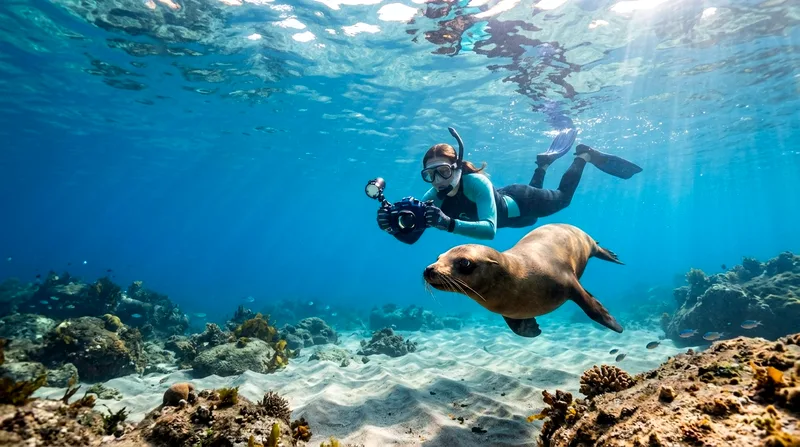
Sand Falls is Cabo's signature shallow dive, a natural phenomenon where sand cascades over a submarine cliff edge, discovered and filmed by Cousteau's team. Depth runs roughly 25-100 feet depending on how far along the slope you follow it, but most tours keep newer divers in the 30-40 foot range. Visibility is usually decent, 40-60 feet on a calm day, and you'll see sea lions, rays, and reef fish. It's a good match for Open Water divers still building confidence, and strong enough visually that even experienced divers don't mind a repeat visit.
Pelican Rock and rocky formations
Pelican Rock sits right near the marina entrance, making it the most accessible site logistically — some tours even offer it as a shore-adjacent dive rather than a long boat ride. Depth ranges from about 10 to 60 feet across its rocky slopes and small swim-throughs, which makes it popular for both snorkeling day trips and scuba outings on the same stretch of water. Sea lions are the main draw here; they're curious and will often swim close to divers. The trade-off is boat traffic — because it's so close to the harbor, you're sharing the water with glass-bottom boats and panga tours, which can stir up visibility on busier days.
Gordo Banks and deep-water dives
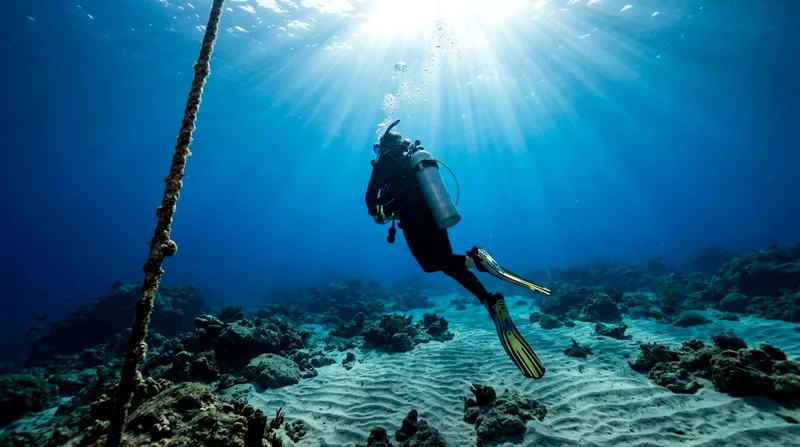
Gordo Banks, off San José del Cabo rather than directly off Cabo San Lucas, is the serious deep-water option — seamounts starting around 80 feet and dropping well past 130, known for hammerhead shark sightings roughly from late spring through fall. This is Advanced-certification territory with real current, and most operators require a minimum number of logged dives beyond the certification card itself. It's a longer boat transfer, sometimes 45 minutes to an hour each way, so budget most of a morning or afternoon for it. I wouldn't recommend it for anyone who hasn't dived in current before; it's not the place to test that skill for the first time.
Certification Requirements and Skill Levels
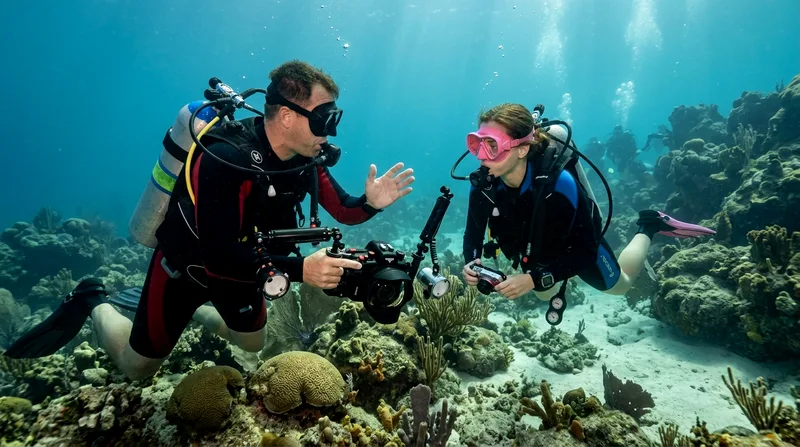
Most dive operators in Cabo San Lucas follow PADI standards, though you'll occasionally find SSI-affiliated shops too — both are accepted interchangeably for site access. Knowing exactly what your card qualifies you for before you book saves a wasted trip to the marina and an awkward refusal at the dock.
Open Water and Advanced certifications
An Open Water certification generally qualifies you to dive to 60 feet, which covers Sand Falls' upper sections and all of Pelican Rock. Advanced Open Water extends that to 100 or 130 feet depending on the agency, and is effectively a prerequisite for Gordo Banks. If you're not yet certified and want to dive deeper sites on this trip, you won't have time to complete a full Advanced course in a few days of vacation — plan that for a future trip, or do it at home beforehand through a local dive shop over a weekend.
Specialty courses and refresher dives
If you're traveling as a family with a newly certified teen (PADI allows Junior Open Water certification from age 10, with depth restrictions), confirm the operator accepts junior divers and ask about the age-adjusted depth limits. For anyone who hasn't dived in a while, a refresher — sometimes called a "scuba review" — typically involves a short pool or confined-water session before the boat trip, and is worth the extra hour. Skipping it to save time is the wrong call; rusty mask-clearing and buoyancy skills are exactly what cause problems at 60 feet, not on the surface.
What to Look for When Booking
Booking scuba diving in Cabo San Lucas online means comparing listings that often look nearly identical. The differences that actually matter are rarely in the marketing photos.
Group size, inclusions, and equipment
Ask directly how many divers share one instructor or divemaster — a ratio of four or fewer per guide is reasonable for certified dives, while discovery dives should stay smaller, ideally three or fewer per instructor. Confirm whether tanks, weights, wetsuit, and regulator are included, since some listings bundle gear and others charge it separately as an add-on that can meaningfully change the total cost. If you have your own mask or dive computer, bring it — rental masks are the single most common source of diver discomfort, mostly from poor seal fit. A private boat charter costs more than a shared group trip but gives you control over dive sites and timing, which matters if you're trying to fit Gordo Banks and a shallower afternoon get into one day.
Cancellation policies and safety standards
Ocean conditions in Cabo can shift fast, particularly on the Pacific side, so check the cancellation policy before paying anything. Reputable operators will reschedule or refund for weather-related cancellations without penalty; be wary of any listing with vague or absent cancellation terms, since that's often a sign of a reseller rather than the actual dive operator. Confirm the boat carries oxygen and a first-aid kit, and that the crew is certified in rescue diving — standard practice at established shops, but worth a direct question rather than an assumption. Compare current boat tours and prices before you book, and read recent reviews specifically mentioning the dive site you want, not just overall star ratings.
Best Time to Book Your Dive
Water conditions in Baja California Sur shift noticeably through the year, and that affects which sites are worth diving, not just comfort. Roughly October through June brings the clearest, calmest water and the best odds of sea lion encounters, while summer and early fall bring warmer water but also more boat traffic and occasional storm activity from the Pacific hurricane season, typically peaking August through October. Visibility also tends to improve later in the dry season as runoff settles.
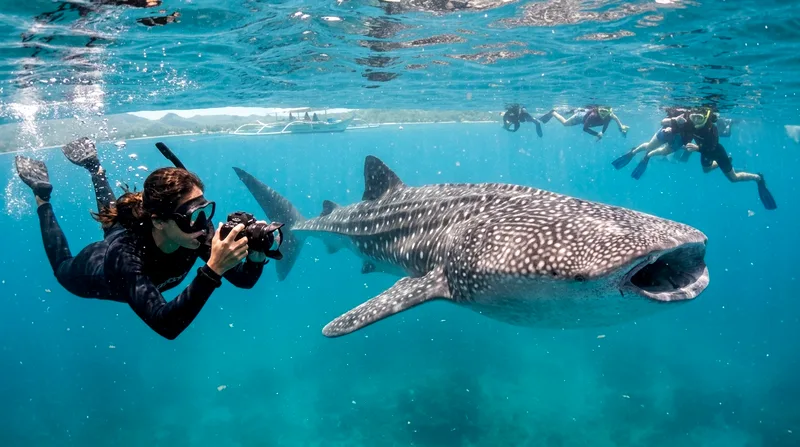
For hammerhead sightings at Gordo Banks, late spring through fall is generally the stronger window, though sightings aren't guaranteed on any single trip — it's wildlife, not a scheduled show. If your trip dates are fixed around a specific marine life goal, say whale sharks or mobula rays, cross-check that against the season before locking in flights; La Paz, a few hours north, is often the better bet for whale shark encounters specifically, so don't expect Cabo tours to deliver that experience reliably.
Booking lead time matters more than people expect. During peak winter season (December through April, when Cabo's broader tourism also peaks), popular dive slots and smaller boats fill up one to two weeks ahead, sometimes sooner around holidays. Outside peak season, booking three to four days ahead is usually enough, though certification verification and gear sizing still take a little back-and-forth, so don't leave it to the morning of.
Frequently asked questions
Do I need certification to scuba dive in Cabo San Lucas?
No — discovery or introductory dives are available to uncertified travelers, typically capped around 20-30 feet with an instructor controlling buoyancy and air for you. Deeper or more current-exposed sites like Gordo Banks require at least Advanced Open Water certification, and operators will ask to see your card before the boat leaves the dock.
What is the best dive site for beginners in Cabo?
Pelican Rock is the easiest logistically, sitting close to the marina with depths from about 10 to 60 feet and frequent sea lion encounters. Sand Falls is a close second and arguably more memorable visually, though its deeper sections are better left to divers with a bit more experience.
How far are Cabo dive sites from shore?
Pelican Rock and Sand Falls are both within a 10-20 minute boat ride of the marina. Gordo Banks, located off San José del Cabo, typically involves a 45-minute to one-hour transfer each way, so it takes up most of a half-day or full-day booking.
What marine life will I see on a Cabo dive tour?
Expect sea lions almost year-round at Pelican Rock and Sand Falls, along with rays, moray eels, and a mix of tropical and temperate reef fish given Cabo's position between the Sea of Cortez and Pacific. Gordo Banks adds seasonal hammerhead shark sightings, roughly late spring through fall, plus occasional larger pelagics.
When should I book a scuba diving tour in Cabo?
Book one to two weeks ahead during peak season (December through April) when boats and popular time slots fill fast. Outside that window, three to four days' notice is usually enough, but build in extra time if you need certification verification or a refresher dive scheduled first.