Cut costs with proven ways to save on Cabo family tours — kids-free policies, combo packages, group rates, and off-peak booking strategies.
Where Your Family Tour Budget Goes
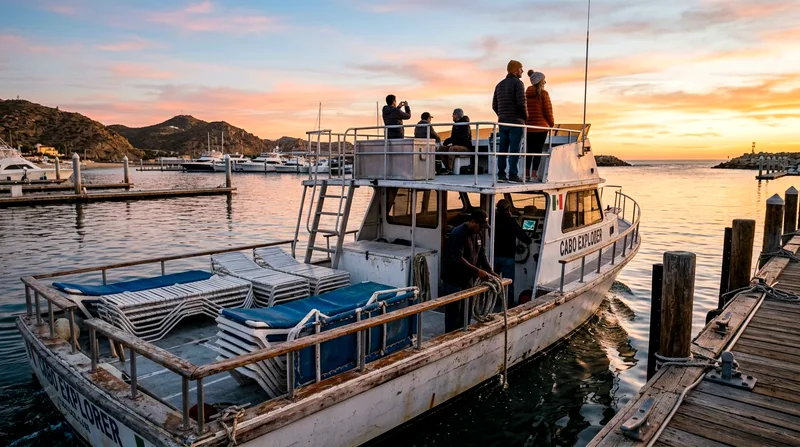
Before you can save on Cabo family tours, it helps to know where the money actually goes. A typical family of four visiting Cabo San Lucas for a week might spend more on activities than on hotel upgrades or meals combined, especially if each day involves a different paid excursion. Boat tours to the Arch (El Arco), snorkeling trips into the Sea of Cortez, ATV tours in the desert outside town, and whale watching between December and April are the big-ticket items most families want.
The trouble is that these get booked individually, at full retail rate, often through a hotel concierge desk or a street-side timeshare pitch — both of which typically mark up prices well above what you'd pay booking directly or through a reputable online platform in advance. I don't love the concierge-desk model for this reason; it's convenient, but convenience here usually costs you 15-25% more per activity.
Activity pricing breakdown
Expect boat-based tours (sunset cruises, snorkeling, glass-bottom boat rides to the Arch) to run roughly $35-$90 per adult depending on length and inclusions, with child pricing usually 50-70% of the adult rate. ATV and desert tours tend to land between $70-$130 per person because of fuel, equipment, and insurance costs. Whale watching trips during peak season (January through March) often cost more than the same operator's snorkeling trip, simply because demand is higher and trip lengths are longer. Swim-with-dolphins experiences are the outlier — they're consistently among the most expensive family activities in Los Cabos, often $100-$180 per person, and worth scrutinizing closely before booking.
Hidden fees and add-ons
Watch for marina fees, equipment rental "suggestions" (snorkel gear, wetsuits), and transportation surcharges that aren't included in the advertised price. Many boat tours quote a base rate then add $10-$15 per person for hotel pickup — fine if you're staying in the Hotel Zone, less fine if you're in San Jose del Cabo and get charged extra for the 20-mile transfer. Always ask directly: does this price include pickup, gear, and gratuity, or are those separate? If a listing doesn't say, assume they're not included and budget accordingly.
Legitimate Ways to Save on Tours
There's no secret discount code for Cabo family tours — anyone promising one at a resort kiosk is usually funneling you into a timeshare presentation disguised as a "free" activity voucher. The legitimate savings come from two durable strategies: timing your trip around the calendar, and booking far enough ahead to lock in lower rates before peak-season pricing kicks in.
Booking shoulder-season and bundling activities together typically saves families more than any single discount.
Cabo San Lucas family tour costs by season and booking strategy
| Strategy | Typical Savings | Best For | Trade-off |
|---|---|---|---|
| Peak season (Dec-Apr) booking | None — highest prices | Whale watching, holiday travel | Crowds, premium rates |
| Shoulder season (May-Jun, Nov) | Moderate, 10-20% lower | Families wanting warm weather, fewer crowds | Slightly less tour variety |
| Off-season (Sep-Oct) | Highest, 20-30% lower | Budget-focused, flexible families | Hurricane season risk |
| Booking 30-60 days ahead | 10-15% vs last-minute | Popular morning slots, school-break trips | Less itinerary flexibility |
| Multi-activity combo packages | 15-25% vs separate bookings | Families doing 3+ activities | Fixed schedule, less spontaneity |
| Group rates (6+ people) | 10-20% per person | Multi-generational or multi-family trips | Requires coordinating one group booking |
Figures are general industry patterns for Los Cabos tourism; confirm current pricing and policies directly with the operator before booking.
Off-season and shoulder-season timing
Cabo's peak season runs mid-December through mid-April, driven by whale watching season and travelers escaping northern winters. Prices for everything — tours, hotels, flights — climb accordingly. September and October offer the steepest discounts, often 20-30% below peak rates, but this overlaps with hurricane season in Baja California Sur, so trip insurance becomes worth the extra cost. May, June, and early November are a better compromise: warm but not scorching, fewer crowds, and tour operators often have more flexibility on private bookings or small-group add-ons since demand is lower. Compare this to Cancun or Playa del Carmen, where the Caribbean side's hurricane season and shoulder months follow a similar pattern — the logic transfers if you're weighing multiple Mexican destinations for a family trip.
Early booking advantages
Booking tours 30-60 days ahead, rather than once you land, typically secures better rates and guarantees availability for popular family slots like morning snorkeling trips (cooler water, calmer seas, better for kids under 10). Last-minute bookings in Cabo aren't necessarily cheaper the way they sometimes are in cruise-heavy ports — operators here don't need to fill empty boats with fire-sale pricing because demand is steady. If you wait until you arrive, you're gambling on availability, not savings.
Kids-Free and Combo Package Strategies
This is where families actually move the needle on cost. Age-based pricing and bundled packages save more, consistently, than any seasonal timing trick.
Age-based discounts and free policies
Many boat tours and snorkeling excursions in Cabo San Lucas offer free or heavily reduced admission for children under 4-6 years old, since they don't occupy a full gear set or seat allocation on smaller vessels. Kids aged 5-11 commonly get 30-50% off adult pricing. Always ask the specific cutoff age when booking — it varies by operator and isn't standardized the way, say, airline lap-infant policies are. ATV tours are the exception: most require riders to be at least 6-8 years old to drive a youth-size vehicle, and some require 16+ to drive solo, with younger kids riding as passengers at an additional fee rather than free. Confirm this before you book if ATVs are on your list, since this is where families get surprised by costs that don't match the "kids ride free" expectation they had.
Multi-activity bundles
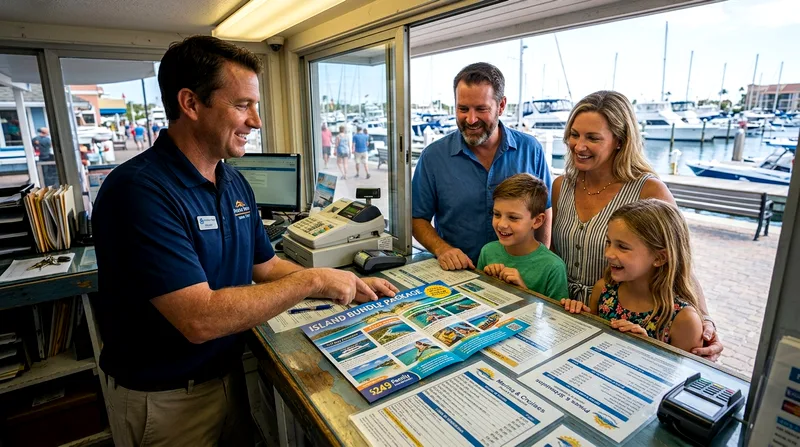
Combo packages — say, a snorkeling trip paired with a sunset cruise, or a glass-bottom boat tour bundled with beach club access — routinely cost 15-25% less than booking each piece separately. The math works because operators and booking platforms discount the bundle to secure the full-day (or full-trip) commitment rather than a single transaction. For a family of four doing three or four activities over a week, bundling two or three of them can realistically save $100-$200 total. The trade-off: bundles lock you into a fixed itinerary, so they work best for families who've already decided what they want rather than those still deciding day-to-day.
What's Worth Full Price
Not everything should be discounted or downgraded. Some corners aren't worth cutting, and pretending otherwise is how families end up with a bad day on the water instead of a good one.
Safety and guide quality
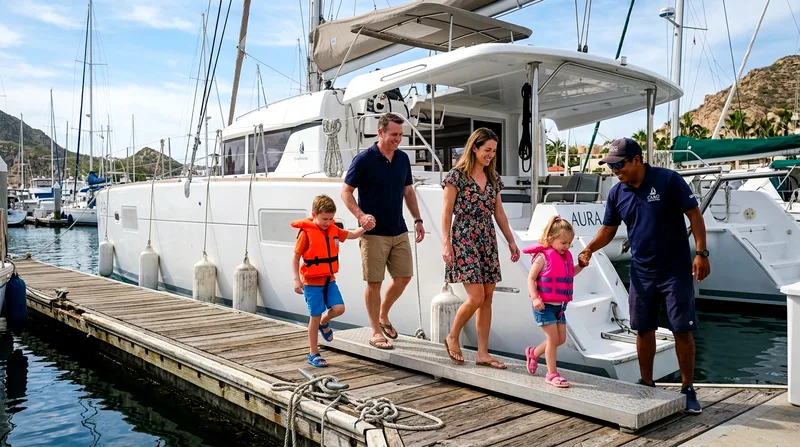
Never choose a snorkeling, diving, or boat tour based on price alone, especially with kids aboard. Verify the operator carries proper life jackets in child sizes, that the captain has visible licensing, and that the boat has shade cover — the Sea of Cortez sun is intense even in the morning. A noticeably cheaper boat tour (30%+ below comparable listings) is a red flag, not a deal. This is one area where La Paz-based operators sometimes undercut Cabo prices because of lower overhead, but if you're already in Cabo, don't drive to La Paz just to save on a boat tour — the transfer time erases the savings.
Premium experiences to prioritize
If you're going to spend full price anywhere, make it whale watching during peak season (January-March) with a marine-biologist-guided operator, and a private (not shared) boat tour to the Arch if your group is 6+ people — shared tours with strangers rarely accommodate a family's pace with young kids. Compare Cabo's whale watching to Puerto Vallarta's, which also has a strong season but shorter viewing windows; Cabo's position where the Pacific meets the Sea of Cortez gives boats more consistent sighting routes, which is part of why the full-price guided trips are worth it here.
Family Tour Booking Checklist
Confirm five things before you pay: the exact child age cutoffs for free or discounted admission, whether hotel pickup is included or extra, whether gear rental (snorkel, wetsuit, life jacket) is bundled in, the cancellation and weather-reschedule policy, and whether gratuity is expected on top of the listed price. For families comparing Cabo to Tulum or Todos Santos for a future trip, note that Cabo's tour infrastructure is more built out for families — more operators, more English-speaking guides, more child-specific gear — which is part of why it remains a stronger choice for first-time family visitors to Baja California Sur than quieter towns nearby. Always compare current boat tours and prices before you book, since rates shift with season and fuel costs even when the underlying strategy stays the same.
Pre-booking verification steps
Confirm five things before you pay: the exact child age cutoffs for free or discounted admission, whether hotel pickup is included or extra, whether gear rental (snorkel, wetsuit, life jacket) is bundled in, the cancellation and weather-reschedule policy, and whether gratuity is expected on top of the listed price. For families comparing Cabo to Tulum or Todos Santos for a future trip, note that Cabo's tour infrastructure is more built out for families — more operators, more English-speaking guides, more child-specific gear — which is part of why it remains a stronger choice for first-time family visitors to Baja California Sur than quieter towns nearby. Always compare current boat tours and prices before you book, since rates shift with season and fuel costs even when the underlying strategy stays the same.
Frequently asked questions
What age do children get free admission on Cabo family tours?
Most boat-based tours and snorkeling trips in Cabo San Lucas offer free admission for children under 4, sometimes up to age 6, since they don't require a full equipment set. This isn't universal, though — always confirm the exact cutoff with the specific operator, since some set the free-admission age at 3 and others at 5. ATV tours work differently and rarely offer a free age bracket at all.
Are combo tour packages cheaper than booking separately?
Yes, generally. Bundling two or three activities — like snorkeling plus a sunset cruise — typically costs 15-25% less than booking each one individually. The catch is you commit to a fixed schedule, so bundles work better for families who've already settled on their itinerary rather than those still deciding day-to-day.
When is the best time to book family tours for lower prices?
Book your actual tours 30-60 days before travel to secure both availability and better rates. For trip timing itself, May-June and early November offer a good balance of lower prices and manageable weather, while September-October is cheapest but falls within hurricane season in Baja California Sur.
Do group rates apply to families in Cabo?
Yes — many operators offer group discounts, typically 10-20% per person, for parties of six or more. Multi-generational family trips or two families traveling together can often combine into one group booking to hit this threshold, which single families of four usually can't reach alone.
Which family activities in Cabo are not worth discounting?
Snorkeling and boat tours with unusually low prices (30%+ below comparable listings) are a safety red flag, not a bargain — check for proper child-size life jackets and licensed captains. Whale watching during peak season (January-March) is also worth paying full price for with an established, guided operator rather than chasing the cheapest option.