Compare Cabo San Lucas cooking class options—market-to-table, resort-based, and seafood-focused—by group size, cuisine, and family fit before you book.
Who Each Cooking Class Type Suits
A Cabo San Lucas cooking class isn't a one-size activity, and the format matters more than most booking pages let on. Before you compare specific listings, figure out what kind of experience you actually want: a social, low-effort resort demo, or a more involved market trip that eats up half your day. Both qualify as a "cooking class," but they deliver very different afternoons.
The resort-based version tends to run 90 minutes to two hours, happens in a hotel kitchen or poolside setup, and covers three or four approachable dishes—guacamole, salsa, maybe a simple mole or shrimp ceviche. It's convenient and doesn't ask much of you. The market-to-table version usually runs three to four hours total once you include the shopping portion, held in a smaller independent kitchen or a chef's home space, and it's built around whatever looks best at the stalls that morning.
Solo Travelers and Food Enthusiasts
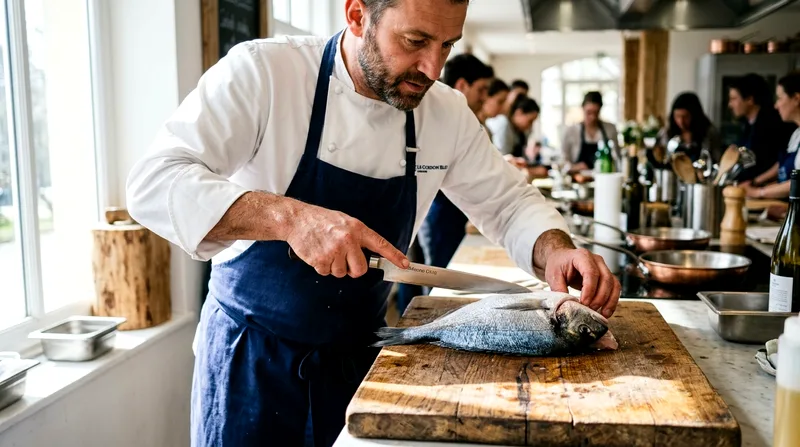
If you're traveling alone and genuinely care about Mexican cuisine beyond tacos and margaritas, skip the resort demo. Market-to-table classes put you with a small group of six to ten people, often from different countries, and the instructor usually has time to explain technique rather than just plating for a crowd. You'll likely handle a knife, grind spices by hand, and work a molcajete—the volcanic stone mortar used across Baja California Sur for salsas. Expect to pay a bit more than the resort option, but you're getting a longer, more hands-on session and usually a market tour included. The downside: these classes rarely have flexible start times, so they can conflict with an afternoon boat tour or snorkeling trip you've already booked.
Families and Groups
For families with kids under ten, I'd steer toward resort or hotel-based classes almost every time. They're shorter, air-conditioned, and the knife work is usually simplified or supervised closely—some even offer a kid-specific station making quesadillas or tortillas by hand. Group classes of eight to fifteen people also tend to feel more like entertainment than instruction, which is fine if your goal is a fun hour, not a serious lesson. Larger families or groups celebrating something—an anniversary, a milestone birthday—often do better booking a private class, where the menu can flex around allergies and picky eaters. The trade-off is cost: private sessions typically run several times the per-person rate of a shared class, so get a headcount locked before you inquire.
Main Cooking Class Categories
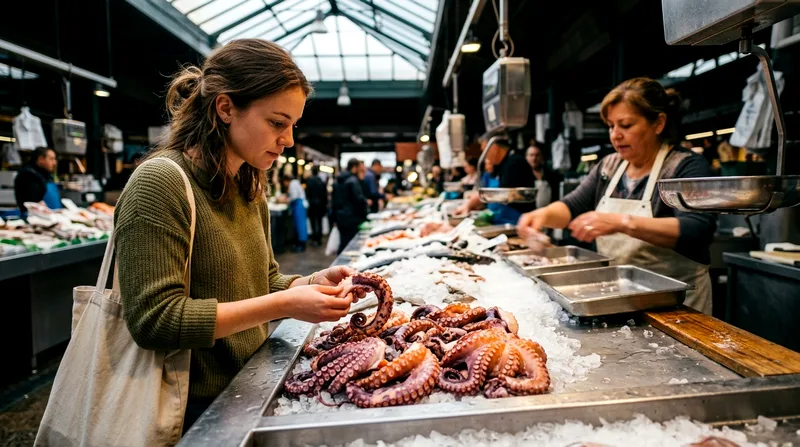
Cabo San Lucas draws on two food worlds—the Pacific Ocean side and the Sea of Cortez side—and the better cooking classes lean into that, building menus around whatever catches that day: dorado, octopus, shrimp, or seasonal produce trucked in from the San José del Cabo farming valley. Broadly, classes fall into two camps, and neither is objectively better; they just serve different trips.
Market-to-Table and Farm-Focused Classes
These start with an actual shopping trip—usually to a municipal market or a small organic farm stand outside the main tourist strip—where the instructor walks you through what's fresh, how to pick a ripe avocado versus one that'll turn brown in an hour, and which chiles are mild versus the ones that'll ruin your ceviche. From there you head to a kitchen (sometimes a home, sometimes a small culinary studio) and cook three to five dishes using what you bought. Expect dishes like aguachile, fish tacos with a from-scratch slaw, handmade corn tortillas, and a salsa trio built around molcajete technique.
The appeal here is authenticity and pacing—nobody's rushing you through a tourist-menu checklist. The drawback is logistics: these run earlier in the day (often starting by 8 or 9 a.m. to catch the market at its best), and transportation to and from the market isn't always included, so confirm pickup details before booking.
Resort and Hotel-Based Classes
These happen on-property, often in a demonstration kitchen or an outdoor terrace kitchen with ocean views. They're built for convenience: no transport needed, start times are more flexible, and the menu is usually fixed rather than market-dependent. Typical lineups include guacamole and salsa made tableside, a simple ceviche, and a main like chicken mole or grilled shrimp with rice. Some properties pair the class with a tequila or mezcal tasting, which bumps the price but adds a nice social element for couples.
The honest downside: these classes can feel more like a paid activity filler than genuine instruction, especially at bigger all-inclusive resorts where the "class" is really a cooking-themed cocktail hour. If you want real technique, ask ahead how hands-on the format actually is—some are 90% demonstration with guests cooking almost nothing themselves.
Comparison: Class Formats and Cuisines
Cuisine focus varies almost as much as format does, and it's worth deciding what you want to actually learn before comparing listings by price alone.
Market-to-table classes run longer and smaller, while resort-based classes are shorter, more flexible, and better suited to families with young kids.
Cabo San Lucas cooking class types compared: duration, group size, and best fit
| Class Type | Typical Duration | Group Size | Cuisine Focus | Best For |
|---|---|---|---|---|
| Market-to-table | 3-4 hours | 6-10 people | Coastal Mexican, seasonal produce | Solo travelers, couples, food enthusiasts |
| Resort-based | 1.5-2 hours | 8-15 people | General Mexican, tequila pairing | Families, casual groups |
| Private in-home/villa | 2-4 hours | 2-12 people (flexible) | Custom, any focus | Celebrations, larger families |
| Seafood-focused coastal | 2-3 hours | 6-12 people | Ceviche, aguachile, grilled fish | Couples, seafood lovers |
| Food tour + class combo | 4-5 hours | 8-14 people | Mixed street food and Mexican staples | World travelers wanting context |
Typical figures based on common formats; durations and group sizes vary by operator, so confirm specifics when you check current prices and availability.
Mexican Regional Cuisine vs. Fusion
Most classes marketed as "Mexican cooking class Cabo" teach a blend of Baja-style seafood dishes and more general Mexican staples—mole, tamales, chiles rellenos—rather than hyper-regional Oaxacan or Yucatecan techniques you'd find in Tulum or Playa del Carmen cooking schools, which lean harder into Mayan-influenced ingredients like achiote and banana leaf. Cabo's identity is coastal: expect heavy use of citrus-cured fish, chile de árbol, and fresh tortillas over slow-cooked regional stews. A smaller number of classes, often at upscale resort properties, offer a fusion angle—pairing Baja seafood with Asian or Mediterranean technique. That's worth seeking out if you've already done a traditional class elsewhere (say, in Puerto Vallarta or Mazatlan) and want something different this time.
Group Size and Private Options
Shared classes in Cabo San Lucas typically run six to fifteen participants; above that, you lose the hands-on element and it becomes a demo with sampling. Private classes can be arranged for two people up to a full group buyout, and some operators will come to a vacation rental or villa kitchen, which works well for families who want privacy and flexible timing. The catch is availability—private in-home sessions need more lead time to arrange shopping and staffing, so don't try to book one the morning you want it.
What to Look for When Booking
The listing title tells you little. Two classes both called "Mexican Cooking Class Cabo" can differ enormously in what you actually get, so read the fine print before comparing price tags.
Inclusions and Meal Components
Check whether the price includes the market shopping trip, transportation, all ingredients, and the full meal afterward (versus just tastes of what you cooked). Many classes include a beverage pairing—usually a margarita, mezcal flight, or agua fresca—but not always alcohol beyond the welcome drink, so if that matters to you, ask directly. Some combine the class with a short food tour through a local market or street-food strip beforehand, which is good value if you want context on top of technique. Watch for classes advertising "farm-to-table" that are actually just resort gardens with a few herb pots—that's marketing, not a real farm visit.
Group Size, Cancellation, and Logistics
Ask about cancellation policy before paying anything—many operators require 24 to 48 hours' notice for a refund, and weather or market closures (common around local holidays) can shift start times with little warning. Confirm whether pickup/drop-off is included if the class is off-property; Cabo traffic near the marina can add 20-30 minutes during peak season. If you have dietary restrictions, email ahead rather than mentioning it at check-in—seafood-heavy menus are hard to modify on the spot, and vegetarian substitutions aren't always built in by default.
When to Book Your Class
Cabo's high season runs roughly November through April, when cruise traffic and resort occupancy both spike—book your cooking class at least a week ahead during these months, especially for private or small-group market classes that cap at eight or ten spots. Shoulder months (May, October) are easier to book with only a few days' notice, and market produce is often better since the summer heat hasn't hit full force.
If your trip includes other activities—a sportfishing charter out toward the Sea of Cortez, a snorkeling trip to Santa Maria Bay, a day trip up to Todos Santos—book the cooking class around those first, since boat trips are more weather-dependent and harder to reschedule. Morning market classes also pair awkwardly with an early departure for whale watching (December through March) or a sunrise boat tour to the Arch, so check your full day's schedule before locking in a start time. Compare current cooking class prices and reviews before you book, since availability shifts fast in peak months and some of the better small-group classes sell out three to four days out.
Frequently asked questions
What is included in a typical Cabo cooking class?
Most classes include ingredients, instruction, and the meal you cook, plus at least one beverage like a margarita or agua fresca. Market-to-table versions often add the shopping trip and sometimes transportation. Full alcohol pairings, extra courses, or take-home recipe cards vary by operator, so check the listing's inclusion list rather than assuming.
Are cooking classes in Cabo suitable for beginners?
Yes—most classes are designed for home cooks with no professional experience, and instructors typically demonstrate each step before guests attempt it themselves. Resort-based classes tend to be the gentlest entry point since techniques are simplified; market-to-table classes ask a bit more but still welcome complete beginners.
What is the average group size for cooking classes?
Shared classes usually run 6 to 15 people depending on format—market-to-table sessions stay smaller, around 6 to 10, while resort demonstrations can run larger, up to 15 or so. Group size affects how hands-on the experience feels, so smaller is generally better if real instruction matters to you.
Can I book a private cooking class in Cabo?
Yes, private classes are common for couples, families, and celebration groups, and some operators will come to a villa or rental kitchen. Private sessions cost more per person than shared classes and need more advance notice—plan to book at least several days ahead, longer during high season (November through April).
What cuisines are taught in Cabo cooking classes?
Most classes focus on coastal Mexican and Baja-style dishes—ceviche, aguachile, fish tacos, salsas made with a molcajete, and fresh corn tortillas. Some resort classes add broader Mexican staples like mole or tamales, and a smaller number offer fusion menus blending Baja seafood with other global techniques.