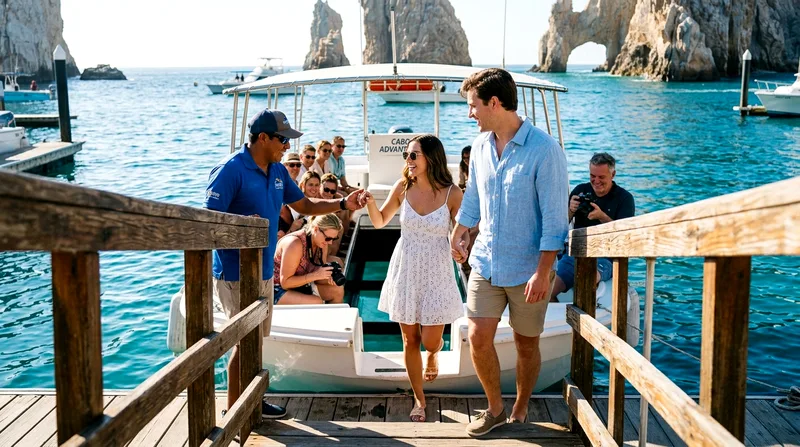
Learn how to save on Cabo San Lucas tours with smart timing, combo tickets, and booking strategies that cut costs without cutting corners.
Where Your Tour Money Goes
Before you can save on anything, it helps to know what you're actually paying for. A snorkeling trip to Santa Maria Bay or Chileno Bay, a sunset cruise past the arch at Land's End, a whale-watching tour during the winter migration — these all carry costs most visitors never see itemized: boat fuel, insurance, dock fees, crew wages, and a cut for whoever sold you the ticket, which in Cabo is very often not the operator running the boat.
That last point matters more than people realize. Resort concierge desks, timeshare "activity centers," and street-side kiosks along the Marina all mark up tours substantially because they're taking a commission for the referral. The operator still gets paid their base rate; you're the one covering the markup. Booking directly with a tour operator's own website, or through an established third-party booking platform that lists multiple operators side by side, usually strips out at least one layer of that commission.
Operator margins and seasonal demand
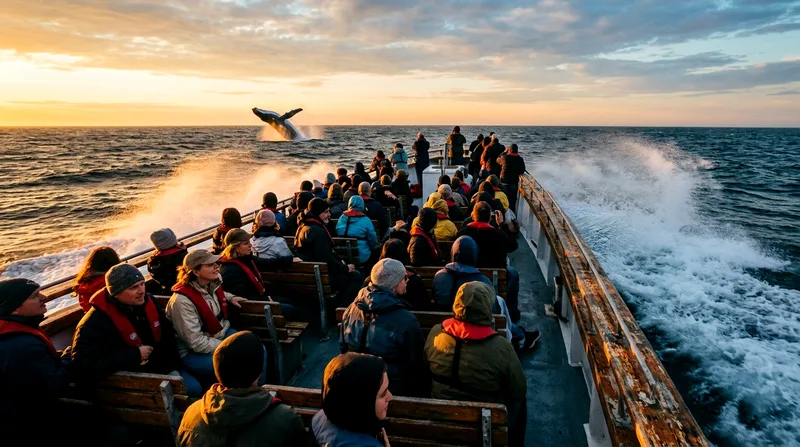
Tour pricing in Los Cabos moves with demand, not just cost. Between December and April, when whale-watching season overlaps with peak snowbird travel from the US and Canada, boats fill up and prices firm up — operators have little reason to discount when every seat sells anyway. In the shoulder months, the same boat running the same route often prices more flexibly because filling seats matters more than maximizing each one. This isn't a secret discount program; it's basic capacity economics, and it works in your favor if your travel dates are flexible at all.
Hidden fees and add-ons
Watch for the gap between the advertised price and what you actually pay at checkout. Marina departure taxes, equipment rental "upgrades," photo packages, and gratuity suggestions can add 15-20% to a quoted price. Some snorkeling and diving operators quote a base rate that excludes gear rental entirely, assuming you'll add it once you're committed. Read the inclusions line by line before comparing two tours on price alone — the cheaper-looking option sometimes ends up costier once you add back what the pricier one already included.
Legitimate Ways to Save on Tours
There's no secret code that unlocks half-price Cabo tours — and anyone promising "70% off" deals outside a legitimate booking platform is usually running a timeshare pitch in disguise. The savings that actually hold up are structural: buying more at once, sharing a boat with more people, and booking at the right time.
Combo packages and bundled activities
Combo tickets are one of the few genuine discounts in Cabo's tour market, and they're worth building a day or two of your trip around. A typical combo might pair a glass-bottom boat ride to the arch with snorkeling at Santa Maria Bay and lunch, or bundle a Cabo Pulmo reef snorkel with transportation that would otherwise cost extra as a standalone taxi fare. Stacking activities this way typically saves somewhere in the range of 10-20% versus booking each piece separately, mainly because the operator saves on logistics — one boat trip, one set of staff, one set of permits — and passes some of that along. The trade-off: you're locked into their schedule and their pace, which can feel rushed if you wanted to linger at one spot.
Group discounts and shared tours
Private tours price per boat or per vehicle, so the per-person cost drops fast as your group grows — a private sunset cruise split four ways costs a fraction per head of the same boat booked by a couple. If you're traveling solo or as a couple, a shared or "shared departure" tour — where you join other travelers on a fixed-capacity boat — almost always beats booking a private charter, sometimes by half or more. The downside is obvious: less flexibility on timing, no say over the playlist, and you're sharing shade and rail space with strangers. For something like a short bay cruise, that's a fine trade. For a full-day fishing charter where you actually want influence over where the boat goes, paying more for a private or semi-private group is often worth it.
Timing Strategies That Cut Costs
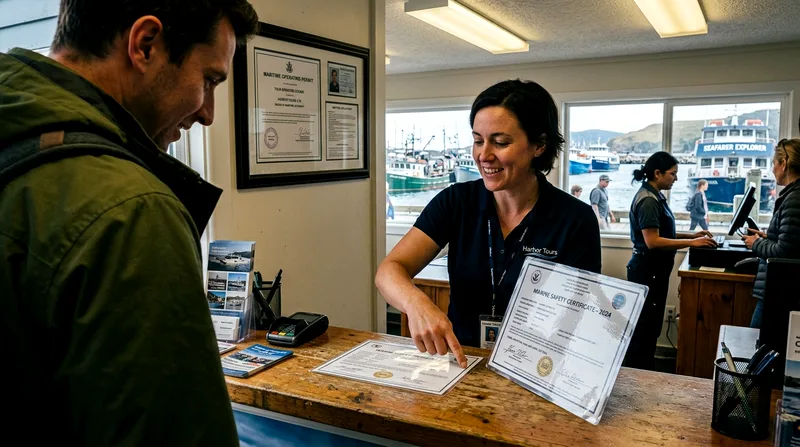
Timing is the lever most travelers ignore, partly because Cabo's weather is good enough year-round that people assume price doesn't move much. It does.
Booking shoulder-season dates two to four weeks out generally gives you the best combination of price and availability for Cabo tours.
Cabo San Lucas tour pricing by season and booking window
| Season/Window | Typical Price Level | Availability | Best For |
|---|---|---|---|
| Peak winter (Dec-Apr) | High | Tight, books up fast | Whale watching, holiday travel |
| Summer peak (Jul-Aug) | High | Moderate | Families, warm-water snorkeling |
| Shoulder (May, Jun) | Moderate | Good | Budget travelers, fewer crowds |
| Shoulder (Oct, early Nov) | Moderate | Good | Lower prices, drier than Caribbean coast |
| Hurricane peak (Aug-Sep) | Lower | Good, but weather risk | Flexible travelers only |
| Booked 2-4 weeks ahead | Lower to moderate | Best selection | Most tours, especially popular ones |
| Booked same-day | Variable, can spike | Limited, depends on fill rate | Flexible, risk-tolerant travelers |
Typical patterns based on seasonal demand and standard pricing behavior; actual rates vary by operator, so compare current prices before booking.
Shoulder season advantages
May, June, and late September through early November sit between peak winter season and the hottest, most humid stretch of summer. Hotel rates drop noticeably in these windows, and tour operators — competing for a smaller pool of visitors — tend to price more competitively and discount faster when a departure isn't filling up. Hurricane season technically runs June through November in Baja California Sur, with the real risk concentrated in August and September, so late May and October offer a reasonable balance of lower prices and lower storm risk. Compare that to Cancun or Playa del Carmen, where hurricane season carries heavier rainfall risk across the same months — Cabo's desert climate means shoulder-season trips are drier than their Caribbean coast equivalents, even if the Pacific swell can pick up.
Early-bird and advance booking discounts
Booking a tour two to four weeks ahead, rather than the morning-of, typically gets you better availability and, on many booking platforms, a modestly lower rate than walk-up pricing — operators would rather lock in a seat early than gamble on filling it last-minute. This is especially true for whale-watching season (roughly mid-December through mid-April) and for popular sunset cruises, where same-day prices can actually climb as departure time nears and remaining seats get scarcer. The exception is genuinely perishable inventory — a half-empty boat leaving in three hours — which brings us to last-minute deals below.
What Not Worth Skimping On
Saving money on tours is smart. Saving money by picking whoever's cheapest without checking why is how people end up hurt, stranded, or scammed. Cabo's waters span both the Sea of Cortez and the Pacific Ocean, and conditions on the Pacific side especially can turn rougher than they look from the beach.
Safety certifications and guide experience
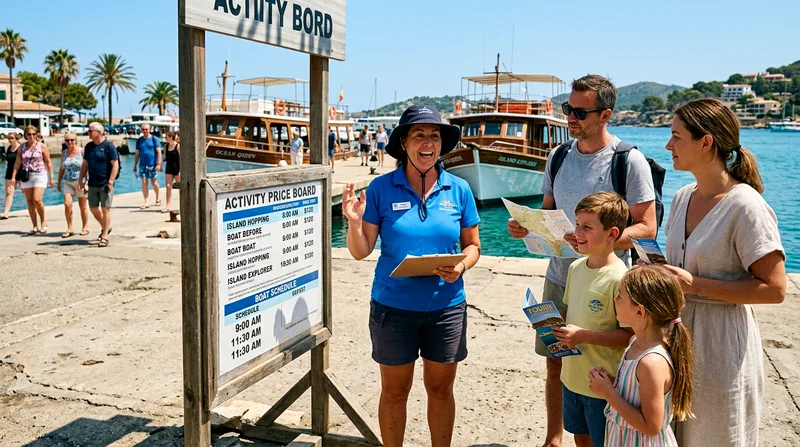
Ask who holds the permit for any water activity — diving, snorkeling, or fishing operators in Mexican waters should have proper permits through Mexican maritime authorities, and dive operators specifically should carry certifications tied to a recognized diving standards body. A guide with years of specific local experience, especially for currents around Cabo Pulmo or the open-water stretches toward Land's End, is worth paying for. Reviews matter here more than price: a tour with consistently detailed, recent reviews describing guide behavior and safety briefings tells you more than a star rating alone. Avoid any operator that can't clearly explain group size limits or what happens if weather forces a cancellation.
Equipment quality and insurance coverage
Cheap gear is a false economy. Snorkel masks that leak, poorly maintained life jackets, or fishing boats without updated safety equipment aren't worth the $10-15 you saved choosing them over a better-reviewed competitor. Confirm the operator carries liability insurance covering guests — legitimate companies will say so without hesitation; vague or defensive answers are a red flag. This is also where comparing Cabo to a market like Puerto Vallarta is useful: both destinations have well-established, insured operators alongside a layer of informal, uninsured ones, and the price difference between them is rarely more than a few dollars per person.
Smart Booking Checklist
A little homework before you book saves more than any single discount strategy. This applies whether you're planning from Los Cabos International Airport before you land or adjusting plans once you're already at your resort.
Pre-trip research and comparison
Compare at least three listings for the same activity type before booking — a Cabo San Lucas tour package bundling snorkeling and a boat ride should be checked against a similar combo from a different operator, not just against a single-activity ticket. Look at what's actually included: gear, transportation, food, drinks, photos. Check recent reviews, not just the overall score, and look specifically for mentions of punctuality, guide communication, and whether the tour matched its description. If you're choosing between Cabo and somewhere like La Paz or Todos Santos for a quieter, less touristed version of similar activities, factor in that Cabo's tour market is larger and more competitive, which generally works in your favor on price and options.
Booking confirmation and cancellation policies
Before paying, confirm the cancellation window and refund terms in writing — most reputable operators offer free cancellation up to 24-48 hours before departure, which matters in a destination where afternoon winds or swell can cause last-minute weather cancellations. Get a confirmation email or voucher with the operator's name, meeting point, and start time; vague confirmations ("we'll contact you") are a common source of no-shows and disputes. If a deal seems to require payment only in cash to someone outside an official booking system, that's a sign to walk away, not a sign of a good deal.
Frequently asked questions
What is the cheapest time to book Cabo tours?
Shoulder season — May, June, or October into early November — generally offers the lowest tour prices because operator demand drops while boats and guides still run full schedules. Combine that with booking two to four weeks ahead rather than same-day for the best overall value.
Do combo tour packages actually save money?
Yes, typically. Bundling two or three activities with one operator — like a boat ride to the arch plus snorkeling plus lunch — usually costs 10-20% less than booking each piece separately, since the operator saves on logistics and passes some savings along. The trade-off is less control over timing and pace.
Are last-minute tour deals reliable in Cabo?
Sometimes, but they're inconsistent. Operators occasionally discount a half-filled boat departing within hours, but availability depends entirely on how full that specific departure already is. Don't plan your whole trip around finding one — treat it as a possible bonus, not a strategy.
What tour costs are worth paying full price for?
Anything involving open water safety: permitted dive operators, properly insured boat charters, and guides with verifiable local experience around currents near Land's End or Cabo Pulmo. The price difference between a safety-compliant operator and a cut-rate one is usually small relative to the risk.
How far in advance should I book Cabo activities?
Two to four weeks ahead works well for most tours and usually secures better pricing and availability than booking on arrival. For whale-watching season (mid-December through mid-April) or holiday weeks, book even earlier, since popular departures fill up fast.