Planning a Cabo to La Paz day trip? Compare guided tours vs. driving, visit Balandra Beach and the malecón, and get the full logistics here.
What Is La Paz and Why Visit
La Paz is the capital of Baja California Sur, sitting on a sheltered bay along the Sea of Cortez roughly 2.5 hours north of Cabo San Lucas by car. It's a real city with a real economy — government offices, fishing fleets, university students — not a stretch of resorts built for tourism. That's exactly why a Cabo to La Paz day trip appeals to travelers who've spent a few days in the Los Cabos bubble and want to see what Baja looks like when it's not performing for visitors.
Where Cabo San Lucas trades on nightlife and marina views, La Paz trades on its waterfront promenade and unfiltered small-city rhythm. You'll notice the difference within minutes of arriving: fewer timeshare pitches, more families out for an evening walk, restaurants serving fish that were caught that morning rather than flown in. If you've already done Cabo's marina and the arch boat tour, La Paz gives you something genuinely different rather than a repeat of the same postcard shots.
Colonial architecture and waterfront malecón
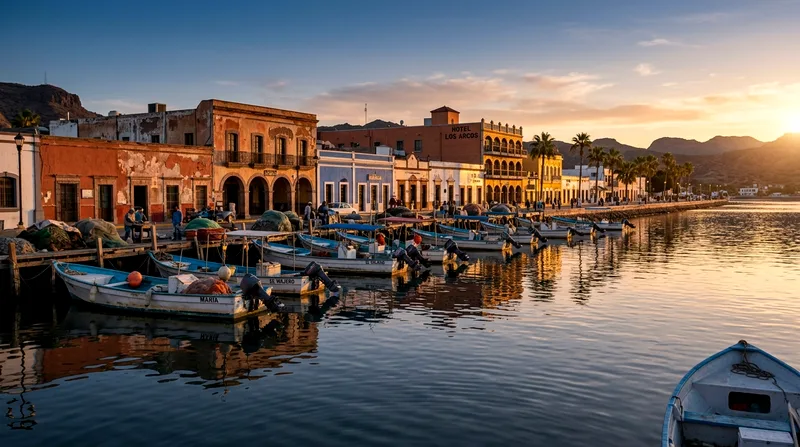
The La Paz malecón is a five-kilometer paved walkway running along the bay, lined with sculptures, palm trees, and low-slung colonial-style buildings that date back to the city's 19th-century pearl-diving boom. Walking even a third of it — most visitors manage the central kilometer or two near the cathedral and plaza — gives you a sense of La Paz's older architecture, which leans more Spanish colonial than the glass-and-stucco resort style you see in Cabo. Plan 45 minutes to an hour for a relaxed walk with stops for photos and a coffee. Sunset is the best window; the bay faces west, and the light on the water rivals anything in Cabo without the crowd.
Balandra Beach and marine life
Balandra Beach sits about 20 minutes north of downtown La Paz and is the single biggest reason day-trippers make the drive. The water is shallow — often waist-deep for a hundred meters out — warm, and calm, which makes it one of the few beaches in the region genuinely safe for kids and inexperienced swimmers. Mexico has designated it a protected natural area, which means no beach vendors hassling you and a strict no-sunscreen-unless-biodegradable rule enforced at the entrance. Bring reef-safe sunscreen or you may be asked to rinse it off before entering.
Guided Tours vs. Independent Travel
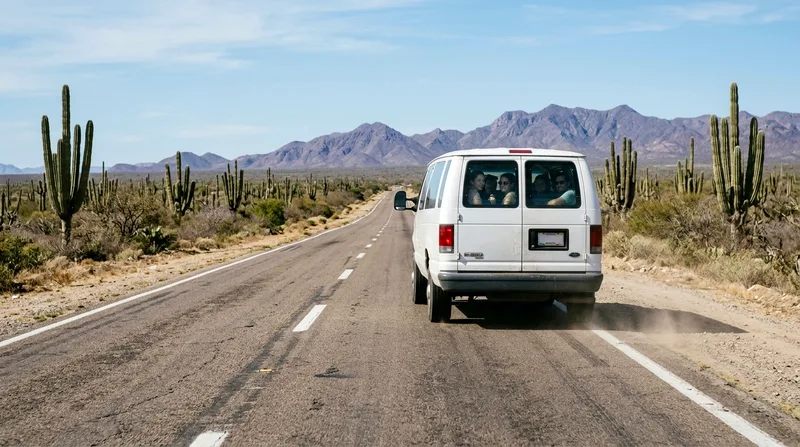
This is the real decision point for anyone planning a La Paz tour from Cabo, and there's no universally right answer — it depends on how much you value your time versus your flexibility. A guided day trip removes the single biggest headache: the 2.5-hour drive each way on Mexican Highway 1, a two-lane desert road with slow trucks, occasional livestock, and stretches with no cell signal. Going independent saves money but costs you a long driving day and the planning work of coordinating beach time, lunch, and the malecón into roughly 10-12 hours.
Driving yourself costs less but takes more effort, while a guided tour costs more and removes the highway driving entirely.
Cabo to La Paz day trip options compared: time, cost, and effort
| Option | Travel time each way | Relative cost | Flexibility | Best for |
|---|---|---|---|---|
| Guided day tour | approx. 2.5 hours | Higher | Low — fixed schedule | First-time visitors, no rental car |
| Rental car (self-drive) | approx. 2.5 hours | Lower | High — full control | Confident drivers, flexible schedule |
| Private driver | approx. 2.5 hours | Mid-to-high | Medium — custom stops | Couples, small families wanting ease |
| Overnight stay in La Paz | N/A (one-way) | Mid (adds lodging) | Highest | Whale watching, Espíritu Santo Island trips |
Typical figures based on standard road conditions; actual drive time varies with traffic, weather, and route (Highway 1 vs. Highway 19 via Todos Santos).
Organized tour benefits and inclusions
A typical organized day tour picks you up from your Cabo San Lucas or San Jose del Cabo hotel early — usually between 6:30 and 7:30 a.m. — and returns you by early evening, covering round-trip transport, a stop at Balandra Beach, time on the malecón, and often lunch. Group sizes vary from small van tours (8-12 people) to larger coach operations. The main value isn't luxury, it's logistics: someone else deals with the highway driving, parking in La Paz, and timing the stops so you don't waste half the day figuring out where to eat. Expect to pay more than a rental car costs for the day, but you also won't arrive exhausted from driving. Compare current La Paz day tour prices and departure times before booking, since schedules shift seasonally.
Self-guided logistics and transportation
Driving yourself gives you control over timing — you can linger at Balandra past when a tour bus would leave, or skip the malecón if the beach ate your whole afternoon. Renting a car in Cabo runs a wide range depending on season and company, and you'll want a vehicle with decent tires since parts of Highway 1 near La Paz have rougher shoulders. Fill up on gas before leaving Cabo; stations thin out in the middle stretch. If you're not confident driving unfamiliar Mexican highways, a private driver (distinct from a group tour) splits the difference — you get flexibility without doing the driving yourself, at a higher cost than a shared tour.
How to Get There and Entry
Understanding how to get to La Paz from Cabo matters more than most guides admit, because the two realistic options — driving and the ferry — serve completely different trip goals. One gets you to La Paz for a day. The other is really for travelers continuing on to mainland Mexico.
Ferry and driving options from Cabo
There is no passenger ferry between Cabo San Lucas and La Paz — that route doesn't exist. The ferry from La Paz goes across the Sea of Cortez to Topolobampo or Mazatlán on the mainland, a multi-hour crossing aimed at travelers moving vehicles or continuing a longer Mexico trip, not day-trippers. For a Cabo to La Paz day trip, driving via Highway 1 or Highway 19 (through Todos Santos) is the only practical option. The Highway 19 route adds roughly 20-30 minutes but passes through Todos Santos, a worthwhile detour if you have extra time or want to break up the return drive with a coffee stop in its colonial-era downtown.
Entry requirements and documentation
La Paz is within Mexico, so there's no border crossing, visa, or passport checkpoint between Cabo and La Paz — any valid photo ID works for domestic travel once you're already in the country. The documentation question only matters for how you entered Mexico in the first place; keep whatever tourist entry document (FMM) you received at the airport with your passport, since hotels occasionally ask for it and it's required again on departure. Balandra Beach doesn't charge entry, but it does cap daily visitor numbers during peak season, so arriving before 10 a.m. avoids any wait at the access checkpoint.
Best Time to Visit La Paz
Timing a La Paz day trip well means balancing three things: heat, whale season, and how crowded Balandra gets. Get this wrong and you'll either bake on the malecón at 2 p.m. or find Balandra's shallow bay packed with tour buses that all left Cabo at the same hour.
Seasonal weather and crowd patterns
November through April is the most comfortable stretch, with daytime temperatures in the 70s and 80s Fahrenheit and low humidity — this is also peak tourist season in Cabo, so expect more company on the road and at Balandra. Summer (June through September) pushes temperatures past 95°F in La Paz, often hotter than Cabo itself since it sits inland from the direct ocean breeze, and brings the small chance of tropical storms. If you're driving yourself, a weekday trip avoids the heaviest crowds; weekends draw La Paz locals to Balandra too, not just tourists from Cabo.
Whale watching and wildlife seasons
Whale watching in the La Paz area runs roughly December through April, when gray whales and humpbacks move through the Sea of Cortez and nearby Pacific lagoons. If whale watching is your priority, combining it with a day trip is ambitious — most whale tours from La Paz depart by boat early morning and run 3-4 hours on the water, which doesn't leave much daylight for Balandra and the malecón too. Travelers serious about whales are better served basing a night or two in La Paz rather than squeezing it into a single day from Cabo.
Top Attractions and Nearby Add-Ons
Once you're in La Paz, the question becomes how to use a limited window of daylight. Most day-trippers have realistically 6-7 hours on the ground after the drive in, so prioritizing matters more than trying to see everything.
Balandra Beach and Espíritu Santo Island
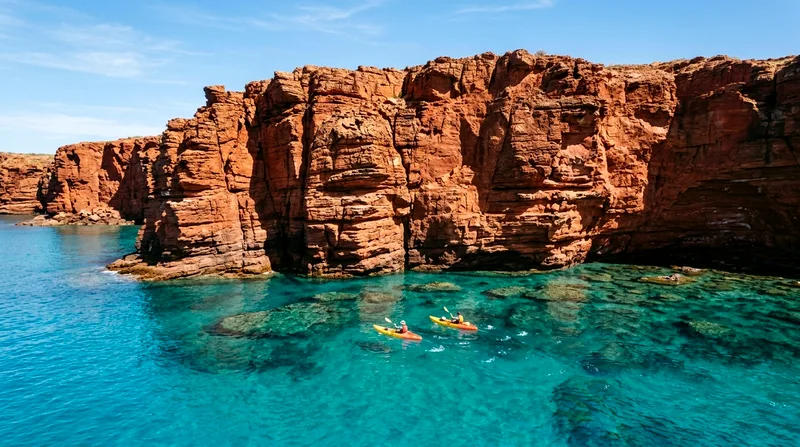
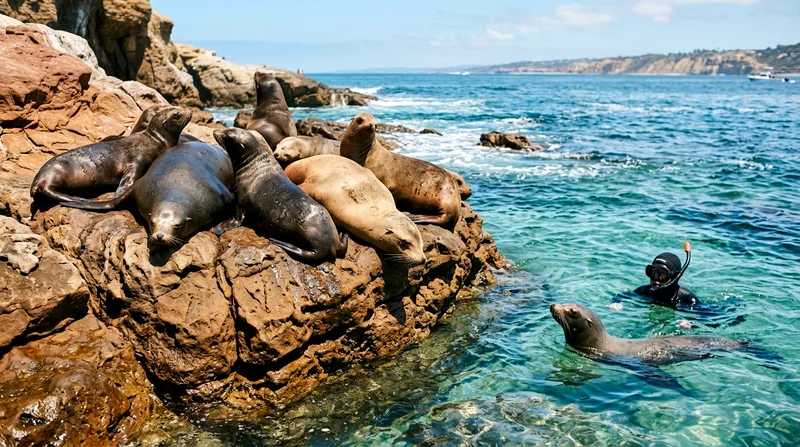
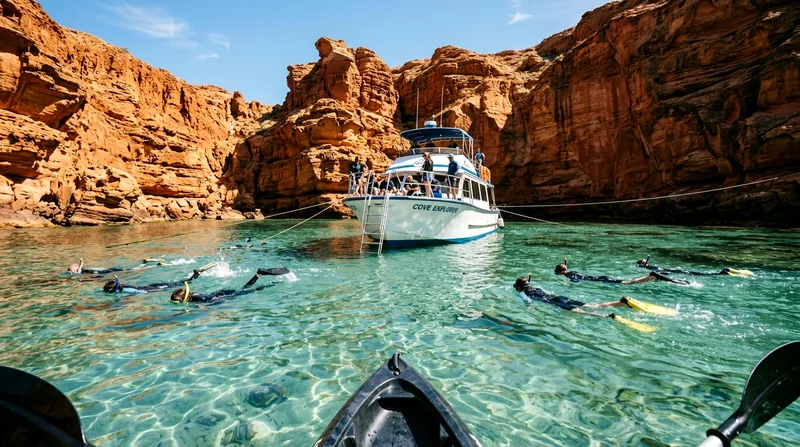
Balandra and Espíritu Santo Island get bundled together in marketing, but they're not really a same-day pair if you're also coming from Cabo. Espíritu Santo is a protected island about an hour by boat from La Paz's marina, known for sea lion colonies, snorkeling, and dramatic red-rock coves — it's a half-day or full-day trip on its own. Trying to do Espíritu Santo and a Cabo-to-La Paz round trip in one day means leaving Cabo before dawn and getting back after dark. It's doable but exhausting. If Espíritu Santo is the priority, consider it as a reason to stay overnight in La Paz rather than a day-trip add-on.
Local markets, dining, and cultural sites
La Paz's Mercado Francisco I. Madero, a few blocks inland from the malecón, is where locals buy produce, fresh fish, and tacos — a far more authentic food scene than anything in Cabo's marina district. Expect modest prices by Cabo standards; a fish taco plate typically runs well under what you'd pay in a tourist-zone restaurant in Cabo San Lucas. The Catedral de Nuestra Señora de La Paz on the central plaza is worth 15 minutes if you're near the malecón anyway. Skip the souvenir shops directly on the malecón's busiest block — prices run higher there than a block or two inland.
Frequently asked questions
How long is the drive from Cabo to La Paz?
The drive is approximately 2.5 hours each way covering about 220 km (135 miles) on Highway 1. Taking Highway 19 through Todos Santos adds roughly 20-30 minutes but offers more scenery and a good coffee or lunch stop on the way back.
Can you visit La Paz as a day trip from Cabo?
Yes, and it's the most common way visitors see La Paz. With a 6:30-7:30 a.m. departure, you'll have roughly 6-7 hours on the ground for Balandra Beach and the malecón before the drive back. Trying to add Espíritu Santo Island to the same day is possible but makes for a very long, tiring day.
What is the best way to visit Balandra Beach?
Arrive before 10 a.m. to beat both the heat and the tour bus crowds, since Balandra limits daily visitor numbers during peak season. Bring only biodegradable sunscreen — it's enforced at the entrance — and expect no food vendors on-site, so pack water and snacks.
Do you need a passport for a La Paz day trip?
No passport or ID checkpoint exists between Cabo and La Paz since both are within Mexico. Carry your passport and FMM tourist entry document anyway, since some hotels or tour operators request ID, and you'll need both again when leaving Mexico.
What should you pack for a La Paz day trip?
Bring swimwear, biodegradable sunscreen, a hat, cash in pesos for the market and small vendors, and comfortable walking shoes for the malecón. A light layer helps for the air-conditioned ride, and download offline maps since cell signal drops along stretches of Highway 1.