Book a Cabo San Lucas fishing charter with confidence. Compare panga vs sportfisher, seasonal catches, pricing tiers, and what to check before booking.
Who Each Fishing Charter Type Suits
A Cabo San Lucas fishing charter isn't a one-size-fits-all booking. The right choice depends on how many people you're traveling with, how much motion you can tolerate, and whether you actually want to catch something specific or just want a few hours on the water with a line in it. The Sea of Cortez and the Pacific Ocean meet right at the tip of the Baja peninsula, which is part of why Cabo supports both calm, close-to-shore fishing and serious offshore runs for marlin and tuna within the same half-day window.
Charters generally fall into two categories: shared pangas and private sportfishers, with a few hybrid options (shared sportfisher seats, larger group boats) in between. Group size, budget, and target species should drive the decision — not whichever boat photo looks nicest on a booking page.
Budget-Conscious Anglers and Groups
If you're traveling solo or with one or two others and don't need a trophy marlin on the wall, a panga trip is the practical choice. These are small, simple boats — typically 22 to 26 feet — run by a single captain, often fishing closer to shore or just beyond the drop-off near Land's End. You'll likely catch dorado, smaller tuna, or grouper rather than marlin, but the cost per person is a fraction of a sportfisher charter. Families with kids over about 8 years old tend to do fine on a panga for a 4-hour morning trip, though there's no bathroom on board and shade is minimal — worth knowing before you commit to anything longer than half a day.
Serious Sport Fishers and Luxury Seekers
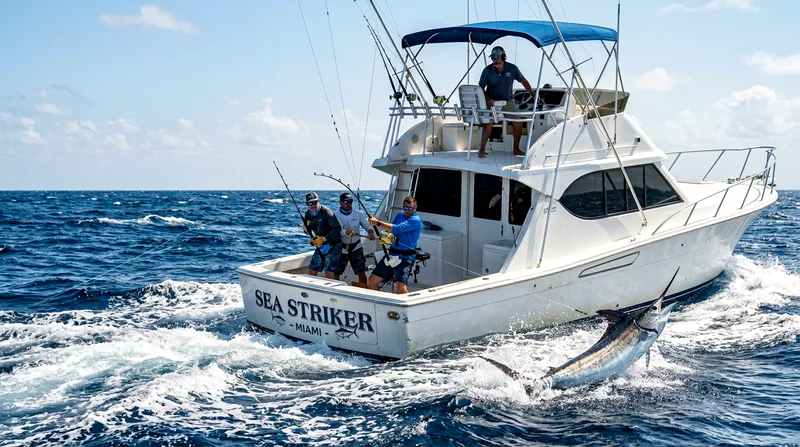
Anglers specifically chasing striped, blue, or black marlin — or who want tuna in the 100+ pound range — need a sportfisher. These boats run 31 to 45 feet, cruise faster to reach offshore grounds, and carry proper fighting chairs, outriggers, and marine electronics for locating fish. Couples celebrating an anniversary or small groups of 4-6 serious fishers who want comfort, a working head (bathroom), and a mate who'll fillet the catch dockside should budget for this tier. It's also the better call for anyone fishing in summer swells on the Pacific side, where a panga can feel rough for hours at a stretch.
Panga vs. Sportfisher: Key Differences
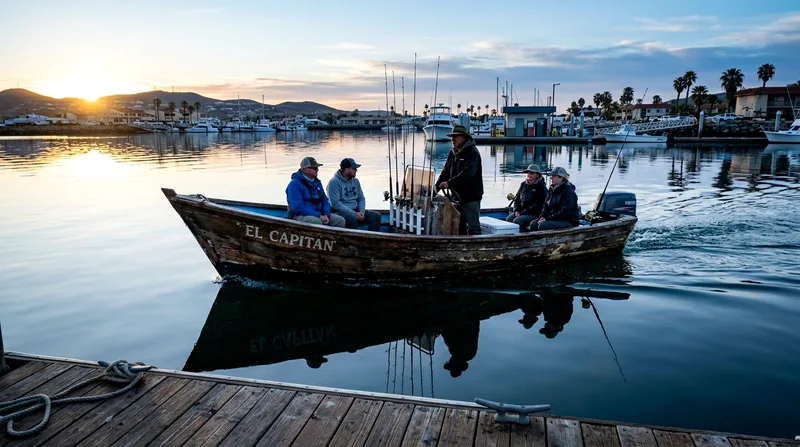
The panga vs. sportfisher decision is really a trade-off between cost and capability. Pangas are the traditional Baja fishing skiff — open, no-frills, and cheap to run, which is why they remain the backbone of budget fishing in Cabo San Lucas. Sportfishers are purpose-built offshore machines with the range and gear to reliably target marlin far from shore.
Neither is objectively "better" — a panga loaded with four friends splitting the cost beats an empty sportfisher on value, and a sportfisher beats a panga any day you're serious about billfish.
A panga suits budget-minded anglers fishing close to shore, while a sportfisher suits groups chasing marlin or tuna farther offshore.
Panga vs. sportfisher: Cabo San Lucas fishing charter comparison
| Charter Type | Boat Length | Typical Capacity | Best For | Comfort Level |
|---|---|---|---|---|
| Panga | 22-26 ft | 2-4 anglers | Budget trips, dorado, grouper | Basic, no shade/bathroom |
| Shared Sportfisher Seat | 31-35 ft | Shared, 1-2 seats | Solo travelers wanting marlin odds | Moderate |
| Private Sportfisher (small) | 31-35 ft | 4-6 anglers | Groups, half-day marlin runs | Cabin, shade, head onboard |
| Private Sportfisher (large) | 40-45 ft | 6-8 anglers | Full-day offshore, luxury seekers | High, salon and amenities |
Figures are typical ranges; exact boat specs and capacity vary by vessel, so confirm with the operator before booking.
Boat Size, Comfort, and Capacity
Pangas usually hold 2-4 anglers comfortably, max. There's a bench seat, an outboard motor, and little else — no cabin, no shade structure beyond maybe a small canopy, and no bathroom. Sportfishers carry 4-8 anglers depending on size, with an enclosed cabin, a salon area, shade over the cockpit, and usually a marine toilet. If you get seasick, the extra size and the enclosed cabin on a sportfisher genuinely help; pangas sit low and feel every swell, particularly once you're past the marina breakwater into open Pacific water.
Amenities, Crew Expertise, and Catch Rates
Sportfisher crews typically include a captain plus one or two mates, and many have spent years running the same waters off Cabo's famous Pacific and Sea of Cortez seams. That experience shows in catch rates for marlin and wahoo, where locating bait balls and reading currents matters. Panga captains know their grounds too, but they're fishing closer in for bottom species like grouper and smaller pelagics such as dorado — solid, tasty fish, just not the trophy billfish most people picture when they imagine a Cabo fishing trip. Tackle on sportfishers is generally heavier and better maintained; ask what's provided before assuming.
What to Look for When Booking
Booking a Cabo sport fishing tour online is easy — dozens of listings show up with photos of happy anglers and marlin on the line. The details that actually matter are usually buried lower on the page or absent entirely, which is exactly where you should be looking before you pay anything.
Inclusions, Group Size, and Cancellation Policies
Confirm whether bait, tackle, fuel, and a fishing license are included — on most legitimate charters they are, but it's not universal. Ask how many anglers the price covers and whether it's a shared or private booking; a "per person" panga rate assumes a full boat, and if your group is smaller you may pay more per head or wait for other travelers to fill remaining seats. Read the cancellation policy closely: weather cancellations (common during hurricane season, June through November) are usually fully refunded or rescheduled, but a change of mind 24 hours out often isn't. Always compare current boat tours and prices before you book, since availability shifts fast in peak months.
Licensing, Safety Gear, and Guide Experience
Mexico requires a fishing license for anyone fishing recreationally in Mexican waters, including non-anglers simply along for the ride on some permits — reputable charters fold this into the price automatically, so ask directly if it's not listed. Life jackets should be available for every passenger; if a listing doesn't mention safety equipment at all, ask before booking. Guide experience is harder to verify from a listing alone, so lean on recent reviews mentioning actual catch results and communication, not just boat cleanliness.
Seasonal Fishing Guide & Catch Expectations
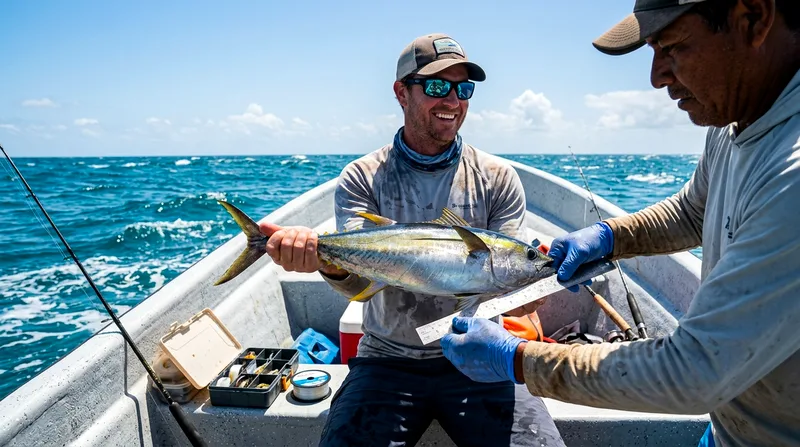
Cabo's position between the Sea of Cortez and the Pacific means something is usually biting, but species and conditions shift sharply across the year. This is the single biggest factor in picking both your charter type and your travel dates if fishing is the main reason for the trip.
Peak Season Species and Availability
The best months for marlin in Cabo run roughly from late spring through fall, with June through November often cited as peak striped and blue marlin activity, overlapping with dorado and yellowfin tuna season. This stretch also overlaps with hurricane season in the Eastern Pacific, so trips occasionally get rescheduled around tropical weather — another reason a flexible cancellation policy is worth paying attention to. Wahoo show up more reliably in fall and winter, giving anglers targeting that species a different booking window than marlin specialists.
Off-Season Conditions and Target Fish
December through April brings cooler water and calmer seas, which is actually a great period for grouper, smaller tuna, and consistent dorado, plus it's whale-watching season if you want to pair the two. Marlin numbers drop but don't disappear. If you're a senior traveler or prone to motion sickness, this calmer window on a sportfisher is often more comfortable than summer swells, even if trophy odds are lower.
Pricing Tiers & Budget Planning
Cabo San Lucas fishing charter prices vary more by boat category and trip length than by which company you book with, which is why focusing on category first saves more money than hunting for a discount code.
Shared Charter vs. Private Boat Costs
Shared panga trips are generally the cheapest per person, since the fixed cost of fuel and crew splits across the group — a 4-hour shared trip is the most budget-friendly entry point into Cabo sport fishing. Private sportfisher charters are quoted per boat, not per person, for a half-day (around 4-5 hours) or full-day (8 hours) trip, and the price covers the whole vessel regardless of how many anglers you bring up to its capacity. For a group of 5-6 splitting a private sportfisher, the per-person cost can land closer to a shared panga trip than people expect — worth running the math both ways before deciding.
What's Included and Hidden Fees
Fuel surcharges for full-day offshore trips, fish cleaning/filleting fees at the dock, and crew gratuity (commonly 10-15%, paid separately in cash) are the most common extras that catch people off guard. Some operators charge separately for a fishing license if it's not bundled, and marina slip or launch fees occasionally appear on panga bookings leaving from the beach rather than the marina. Ask for a full breakdown in writing before you pay a deposit, and compare at least two listings' inclusions side by side — not just the headline price.
Frequently asked questions
What's the difference between a panga and a sportfisher?
A panga is a small, open 22-26 foot skiff suited to budget trips close to shore, with no cabin or bathroom and room for 2-4 anglers. A sportfisher is a larger, enclosed boat (31-45 feet) built for offshore marlin and tuna runs, with a cabin, shade, fighting chairs, and usually a bathroom. Pangas cost less per person; sportfishers offer more comfort and better odds at billfish.
===FAQ===
What fish can I catch in Cabo San Lucas?
Marlin (striped, blue, and black), dorado, yellowfin tuna, wahoo, and grouper are the main targets. Marlin and tuna are more common on offshore sportfisher trips, while grouper and smaller dorado turn up on closer-in panga outings. Species availability shifts seasonally, so check current conditions when booking if you have a specific fish in mind.
===FAQ===
When is the best time to book a fishing charter?
Book a few weeks ahead for peak marlin season, roughly June through November, when boats fill fast and weather rescheduling is more common. For the calmer December-to-April window, booking a few days ahead is usually enough, though holiday weeks around Christmas and Easter get busy regardless of season.
===FAQ===
What's typically included in a fishing charter package?
Most legitimate charters include the boat, captain and crew, fuel, bait, basic tackle, and the fishing license. Not usually included: crew gratuity (commonly 10-15%, paid in cash), fish cleaning/filleting at the dock, and sometimes beverages or lunch on longer trips. Always ask for a written breakdown before paying a deposit.
===FAQ===
Do I need a fishing license to fish in Cabo?
Yes — Mexico requires a valid fishing license for anyone fishing recreationally in its waters, and most charter bookings include this cost automatically. If a listing doesn't mention it, ask directly before booking rather than assuming it's covered.