Planning a visit to the Cabo San Lucas aquarium and turtle release? Here's what to expect, ticket costs, best months, and tour options.
What Is the Cabo San Lucas Aquarium?
"Cabo San Lucas aquarium" is a phrase that covers more ground than a single building. There isn't one giant public aquarium here on the scale of what you'd find in Cancun or Puerto Vallarta's larger resort zones. Instead, Cabo's marine attractions blend small aquarium-style exhibit spaces with a working turtle sanctuary and hatchery program, usually run in partnership with local conservation groups along the Baja California Sur coastline. That distinction matters before you book anything.
The appeal sits at the intersection of education and hands-on wildlife encounter. Exhibits typically showcase species native to the Sea of Cortez and the Pacific Ocean side of the peninsula — the two bodies of water that meet near El Arco, Cabo's signature rock arch. You'll see reef fish, rays, and sometimes small sharks in tank displays, often paired with signage explaining the marine biodiversity that makes the Gulf of California distinct from, say, the Caribbean reefs around Playa del Carmen or Tulum.
Facility overview and marine exhibits
Expect modest exhibit halls rather than cathedral-scale tanks. Tanks hold regional species — parrotfish, angelfish, octopus, and occasionally juvenile rays — set up more for close observation than spectacle. Lighting and signage lean toward teaching moments: what's native to the Sea of Cortez, what's threatened, and why. If you've been to the Georgia Aquarium or even Cancun's larger interactive aquarium setups, scale down your expectations considerably. This is a 45-minute to 90-minute visit, not a half-day one.
Turtle sanctuary and conservation mission
The sanctuary side is the stronger half of the experience. Local programs collect turtle eggs from nesting beaches along the Baja coast, incubate them in protected hatcheries, and release hatchlings back into the ocean once they're strong enough — usually within days of hatching. This mirrors conservation efforts at Cabo Pulmo National Park, a protected marine reserve about 90 minutes northeast, though Cabo Pulmo focuses more on reef protection than turtle rearing specifically. The mission is straightforward: boost survival odds for species like the olive ridley and green sea turtle, both of which nest along this stretch of Pacific coastline.
Why Visit: Highlights and Experiences
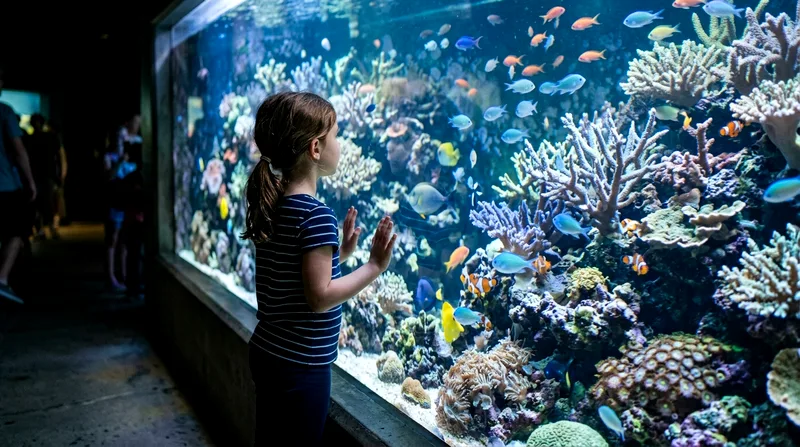
If you're deciding whether this is worth your limited Cabo itinerary time, the honest answer depends entirely on whether a turtle release is scheduled during your stay. Without one, you're looking at a pleasant but unremarkable aquarium stop. With one, it becomes one of the more memorable family activities in Cabo San Lucas — arguably more affecting than a standard snorkel trip or sunset cruise.
Interactive touch pools and species viewing
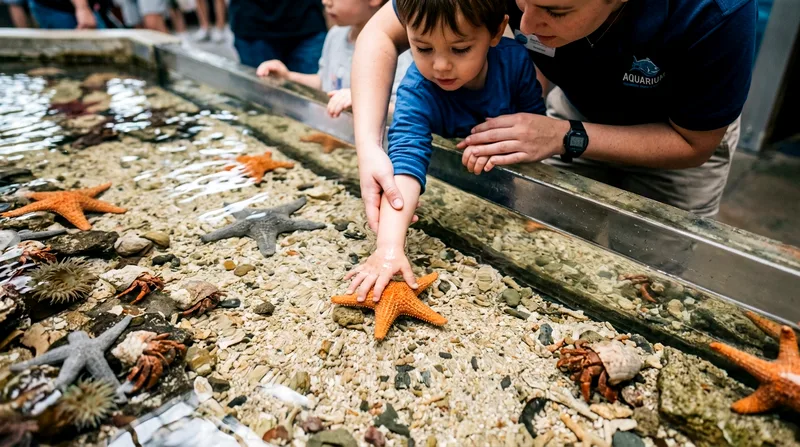
Touch pools, where present, let kids handle sea stars, small rays, or hermit crabs under staff supervision. These are usually shallow, waist-height tanks with a handler nearby explaining handling rules — gentle, two-finger touches, no lifting animals out of water. It's a low-key but genuinely educational component, and it's the kind of thing that works well for younger kids (ages 4 to 10) who might get bored staring at fish behind glass for too long.
Baby turtle release programs
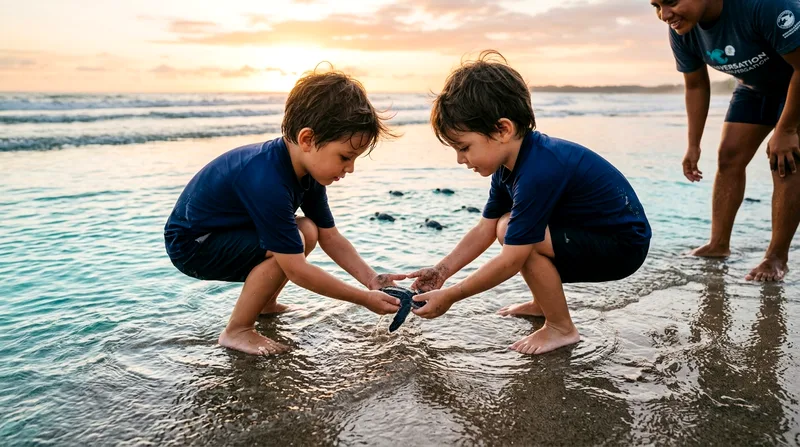
This is the headline experience, and it's distinct from the aquarium exhibits. Participants gather on a stretch of beach — sometimes near Medano Beach, sometimes at a dedicated sanctuary beach outside town — at a scheduled time, usually around sunset. Staff hand each visitor a hatchling in a small cup or container, explain basic turtle biology, and then everyone places their hatchling on the sand simultaneously, letting it crawl to the water under its own power. Staff intervene only if a hatchling gets stuck or disoriented. The whole ceremony runs 20 to 40 minutes including the briefing. It's free or low-cost at many sanctuary locations, though some tour operators bundle it into paid excursions with transportation included.
How to Visit: Independent vs. Guided Tours
You have two realistic paths here, and the right one depends on your transportation situation and how much hand-holding you want.
Going independently saves money but requires confirming the turtle release schedule yourself; a guided tour costs more but removes that guesswork.
Cabo San Lucas aquarium and turtle release: independent visit vs. guided tour
| Option | Typical Cost | Flexibility | Transportation | Best For |
|---|---|---|---|---|
| Self-guided aquarium visit | Low ($10-$20 admission) | High | Own arrangement | Independent travelers, locals, repeat visitors |
| Self-guided turtle release | Low or donation-based | Medium (schedule-dependent) | Own arrangement | Budget travelers, flexible schedules |
| Bundled tour (aquarium + turtle release) | Moderate to high | Low (fixed schedule) | Included | Families, cruise passengers, no rental car |
| Tour with marina add-on | Higher | Low | Included | Full-day planners, first-time visitors |
Figures are typical ranges; confirm current admission costs and tour inclusions directly before booking.
Self-guided aquarium visits
If you're staying in the Marina Cabo San Lucas area or downtown, independent visits are straightforward. Walk or take a short taxi ride (typically $5–$10 USD from the marina), pay admission at the door, and explore at your own pace. The catch: turtle releases often run on sanctuary schedules tied to hatching timelines, not fixed daily slots, so self-guided visitors need to call ahead or check with their hotel concierge to confirm whether a release is happening during their visit. Showing up without checking is the single most common mistake — you might get the aquarium exhibits but miss the turtles entirely.
Organized tour packages and operators
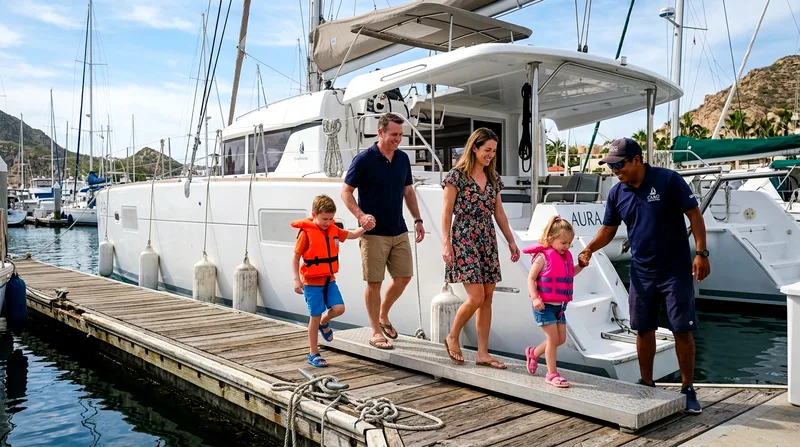
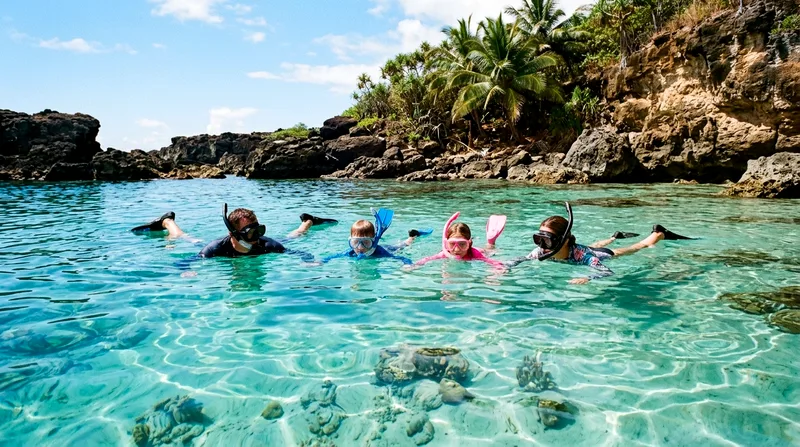
Guided tours bundle the turtle release with transportation, sometimes adding a stop at Medano Beach or a short marina boat ride past El Arco beforehand. This suits travelers without rental cars, cruise passengers with limited shore time, and families who'd rather not navigate logistics in a non-English-first environment. The trade-off is cost and schedule rigidity — you're locked into the tour's timing, which may not align with the actual release if hatching schedules shift. Always confirm current prices and what's included before booking, since bundled tours vary widely in what else they stack in (snorkeling, dinner, sunset cruise add-ons). Compare current tour options and prices before you book rather than assuming all packages include the same stops.
Tickets, Entry Fees, and Hours
Cabo aquarium admission tends to run modest compared to major aquariums elsewhere — think closer to a small municipal attraction than a theme park. Hours generally run daytime, roughly 9 a.m. to 5 or 6 p.m., with turtle releases scheduled separately, often at dusk when hatchlings are less vulnerable to daytime heat and predators.
General admission pricing structure
Expect general admission in the range of $10–$20 USD per adult for standalone aquarium exhibits, with children often priced lower or free under a certain age (commonly under 4 or 5). Turtle sanctuary visits and releases are frequently donation-based or included free with proof of hotel stay at certain beachfront properties that partner with local sanctuaries. Prices and donation structures shift, so check current pricing directly with the sanctuary or your hotel concierge before planning around a specific figure.
Group rates and family packages
Family packages sometimes bundle two adults and up to three kids at a discount versus individual tickets — worth asking about at the ticket counter rather than assuming it's automatic. Group rates for parties of 10 or more are common at tour-bundled experiences, particularly ones aimed at cruise ship excursions. If you're traveling with extended family, ask specifically about family pricing rather than booking individual tickets online, since walk-up family rates aren't always listed on third-party booking sites.
Best Time to Visit and Turtle Season
Timing drives everything about whether this experience delivers. The aquarium exhibits run year-round, but the turtle release — the part most people actually come for — is seasonal and tied to nesting biology, not tourist demand.
Peak turtle release months
Nesting season along Baja California Sur's Pacific coast generally runs from roughly June through December, with hatchling releases concentrated in the back half of that window — August through November tends to see the most frequent release events, since eggs laid in summer hatch 45 to 60 days later. If your trip falls in January through April, don't bank on a turtle release being available; it's possible but far less reliable. This is the single biggest planning factor, more important than which hotel you book or which tour operator you choose.
Crowd levels and weather considerations
Peak turtle season overlaps with Cabo's hurricane-watch months (roughly June through November), so check weather forecasts before locking in outdoor plans — releases can be postponed for storms. Crowds at sanctuary events are generally manageable since capacity is limited by hatchling numbers, unlike open-ended attractions. Early evening visits avoid the worst midday heat, which regularly tops 90°F (32°C) in summer. Compared to the crowd density you'd find at a Cancun aquarium or a Tulum cenote in peak season, Cabo's turtle events stay relatively low-key.
Nearby Attractions and Add-Ons
Pairing the aquarium and turtle release with other Cabo activities makes for a fuller day, especially if you're not staying directly downtown.
Marina and water activities
Marina Cabo San Lucas sits a short ride from most sanctuary and exhibit locations and offers glass-bottom boat tours out to El Arco, sport fishing charters, and sunset sailing trips. If your group includes both young kids and older teens or adults wanting more adventure, consider splitting the day: aquarium and touch pools in the morning, a marina boat tour in the afternoon, turtle release at dusk. It's a logical sequence that doesn't require backtracking across town.
Dining and retail nearby
The marina boardwalk has no shortage of mid-range seafood restaurants, and Medano Beach's beach clubs offer a more casual lunch option if you're stringing activities together. Avoid the overpriced tourist-trap restaurants directly at the marina entrance — walk two or three blocks inland and prices drop noticeably for comparable or better food. If you want a quieter alternative to Cabo's marina scene entirely, Todos Santos, about an hour north, offers a slower-paced lunch stop, though it's really a separate day trip rather than an add-on to this one.
Frequently asked questions
What marine species are featured at the Cabo San Lucas Aquarium?
Exhibits typically feature species native to the Sea of Cortez and nearby Pacific waters — reef fish like angelfish and parrotfish, rays, octopus, and occasionally small sharks. It's a regional collection focused on Baja marine biodiversity, not an exotic global showcase like you'd find at a major city aquarium.
When do baby turtle releases occur?
Nesting season runs roughly June through December along Baja California Sur's coast, with hatchling releases concentrated August through November as eggs laid in summer hatch 45-60 days later. Outside that window, releases are rare, so confirm with the sanctuary or your hotel before planning a trip around one.
Can I visit the aquarium without a tour?
Yes. Most exhibit facilities accept walk-up visitors with standard admission, and you can reach them by taxi or on foot from the marina area. The one caveat: turtle releases run on hatching schedules rather than fixed daily times, so call ahead to confirm a release is actually happening that day.
Are there discounts for children or groups?
Many locations price children under 4 or 5 free, and family packages for two adults plus kids are sometimes available at a discount over individual tickets. Group rates for 10 or more people are common with tour-bundled packages, particularly those aimed at cruise excursions — ask at booking rather than assuming it's automatic.
What should I bring when visiting the turtle release?
Bring closed-toe sandals or shoes you don't mind getting sandy, a light jacket for dusk releases (temperatures drop fast after sunset even in summer), and cash for any donation-based entry. Skip flash photography — most sanctuaries ask visitors to avoid it since bright light disorients hatchlings trying to find the ocean.