Planning a Cabo San Lucas camel ride tour? Get duration, inclusions, age limits, pricing ranges, and tips on booking independently or with operators.
What Is a Cabo Camel Ride Tour?
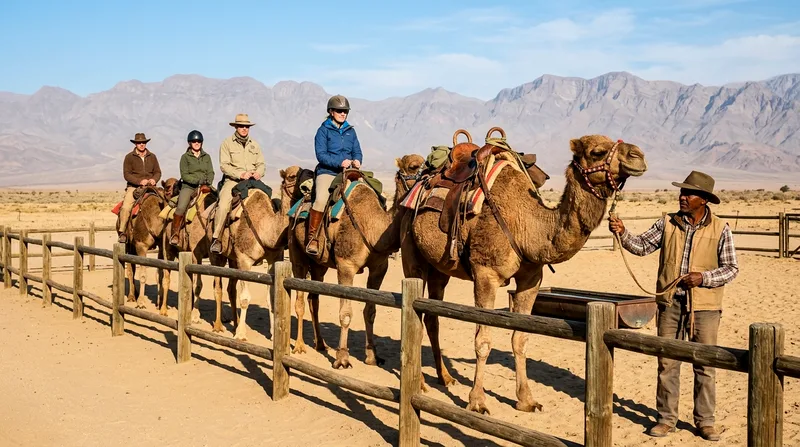
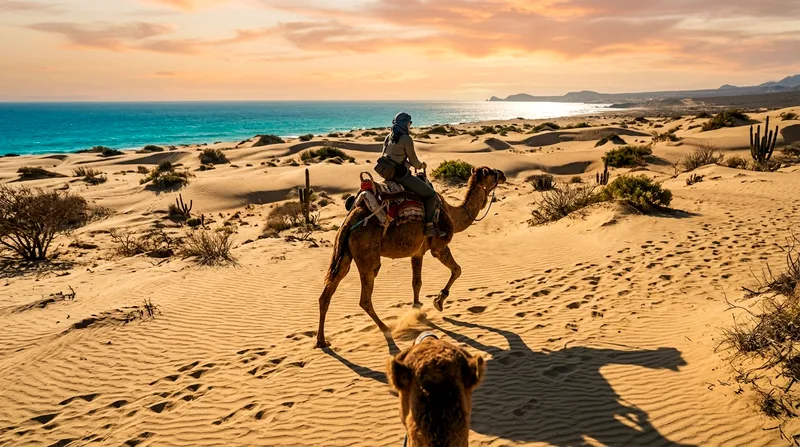
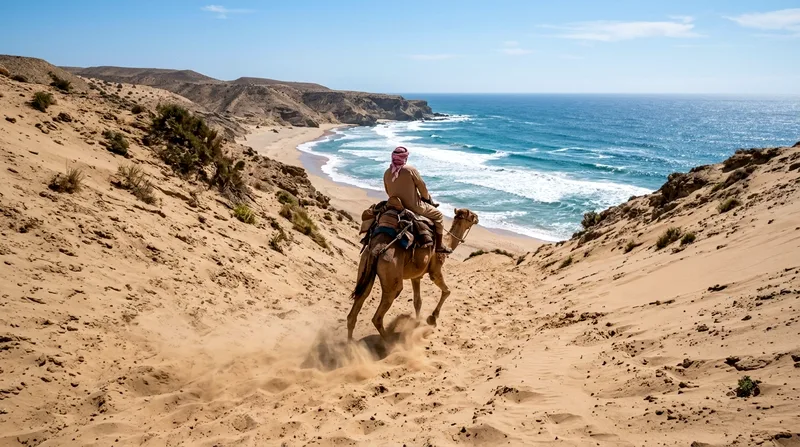
A Cabo San Lucas camel ride tour takes you on camel-back across the arid landscape just outside town, usually finishing with a stretch along the coast where the desert meets either the Sea of Cortez or the Pacific Ocean. It's one of the more distinctive excursions in Los Cabos precisely because Baja California Sur is desert terrain butting up against two different bodies of water — you won't find this particular combination in Cancun or Playa del Carmen, where the landscape is flat jungle and reef, not dunes and arroyos.
The tours operate out of ranches a short drive from downtown Cabo San Lucas and Medano Beach, often near the village of El Tule, about 20 minutes east toward San Jose del Cabo. Camels aren't native to Baja, obviously — they were introduced decades ago for tourism and some agricultural experimentation — but the operators have built entire route systems around them, weaving through cactus-studded hills before dropping onto open sand.
Desert and beach route overview
Most itineraries start at a ranch where you mount up in a corral area, then move in a single-file caravan led by a guide on foot or on a lead camel. The desert leg covers rolling terrain with cardón cacti and dry riverbeds, and it's bumpier than people expect — camels have a rolling gait, not a smooth one. The route typically transitions to a beach section where you ride along the shoreline for photos with the water as backdrop. Some operators run the reverse order, beach first, desert second. Either way, expect the total ride to cover a modest distance — this isn't a trek, it's a loop designed for a 45- to 90-minute ride with multiple stops.
Why camel safaris are popular in Cabo
The appeal is mostly novelty and photography. Riding a camel isn't something most visitors have done, and doing it with desert scenery on one side and ocean on the other makes for a distinctive shot you won't get on a horseback tour in Puerto Vallarta or a jungle zipline in Tulum. Families like that it requires no athletic skill — you sit, you sway, a guide does the leading. I'd stop short of calling it thrilling, though. If you want adrenaline, an ATV desert tour or a snorkeling trip to Santa Maria Bay will deliver more.
How to Book Your Camel Safari
You have two real paths: book directly with a ranch operator in advance, or arrange it through a tour desk or hotel concierge once you're in Cabo. Both work, but they come with different trade-offs in price, flexibility, and reliability.
Independent booking options
Several camel ranches near El Tule and the road to San Jose del Cabo take reservations directly online or by phone, and some allow same-day walk-ins if slots are open. Booking independently can save you the markup that resort tour desks often add, and it lets you pick your exact time slot rather than whatever a reseller offers. The catch: independent ranches vary a lot in quality, animal care, and safety gear, and reviews aren't always easy to verify before you arrive. If you go this route, look for an operator with a physical address, clear cancellation terms, and photos of their actual camels and corral — not just stock desert imagery.
Booking through tour operators
Booking through an established tour operator or online travel marketplace adds a markup — often 15% to 30% over the ranch's direct rate — but it buys you vetted reviews, confirmed pickup from your Cabo San Lucas or Medano Beach hotel, and an easier refund process if plans change. For first-time visitors unfamiliar with the area, this is usually the safer bet, especially if your Spanish is limited or you're nervous about negotiating directly with a roadside vendor. Compare current prices and availability before you book — rates and included transport shift by season and provider, and a same tour can be bundled differently (some include lunch or an ATV combo, others don't).
Tour Duration, Inclusions & Age Limits
Don't expect an all-day safari. Most Cabo camel tours run between 1.5 and 3 hours total, and the actual time on the camel's back is usually 30 to 60 minutes within that window — the rest is transport, waiting, gear-up, and photo stops.
Typical tour length and itinerary
A standard package includes round-trip transport from your hotel (if booked through an operator), a safety briefing, the guided ride itself split between desert and coastline, and a stop for photos — sometimes with the guide using your own phone or camera, sometimes with a professional photographer who sells prints or digital copies afterward. Bottled water is commonly included; snacks or tequila tastings sometimes get added as upsells. A few operators pair the camel leg with a short ATV ride or a stop at a beach club, turning it into a half-day combo rather than a stand-alone activity.
Age requirements and restrictions
Minimum ages typically fall between 4 and 6 years old, and some ranches set a maximum weight limit per rider — commonly in the 220 to 250 lb (100-115 kg) range per animal, though this varies by operator and camel size. Pregnant travelers and anyone with significant back, hip, or neck issues should skip it; the mounting and dismounting motion is abrupt, and the gait jostles your spine more than a horse does. Closed-toe shoes are generally required, and most ranches won't allow riders who are visibly intoxicated. If you're traveling with small children, ask specifically whether kids ride solo, tandem with an adult, or in a basket seat — policies differ by ranch.
Pricing & Ticket Information
Camel ride tour prices in Cabo San Lucas aren't fixed by any central authority, so they shift by season, operator, and what's bundled in. Treat any number you see as a starting reference, not a locked-in rate.
A basic desert-and-beach camel ride runs roughly 45-90 minutes and $45-$90 per adult, while combo packages with ATVs or beach clubs cost more and take longer.
Cabo San Lucas camel ride tour options compared by length, price, and best fit
| Tour Type | Typical Duration | Approx. Price (per adult) | Best For |
|---|---|---|---|
| Standalone desert ride | 45-60 min on camel | $45-$70 | First-timers, tight schedules |
| Desert-to-beach loop | 60-90 min on camel | $55-$90 | Photo-focused travelers |
| Camel + ATV combo | 2.5-4 hours total | $100-$150 | Couples, active travelers |
| Camel + beach club combo | 3-5 hours total | $110-$160 | Families, full-day outings |
| Private/small-group ride | 60-90 min on camel | $90-$130 | Couples, seniors wanting pace control |
Prices and durations vary by operator and season; confirm current rates and inclusions before booking.
Standard tour pricing
As a general range, standalone camel rides in the Cabo area tend to run somewhere between $45 and $90 USD per adult for a basic desert-and-beach loop, with children's rates often 15% to 25% lower. Combo packages that stack in an ATV ride, tequila tasting, or beach club access push the price toward $100-$150 per person. Transport from your hotel, when included, adds to the baseline cost even if it's not itemized separately. Always confirm whether tax, gratuity, and hotel pickup are included in the quoted price — it's a common gap between the advertised figure and what you actually pay at checkout.
Group rates and discounts
Families or groups of four or more sometimes qualify for a per-person discount, and some operators offer a reduced rate for children riding tandem with a paying adult rather than on a separate camel. Discounts aren't universal, though, and I'd be skeptical of any vendor on Medano Beach who quotes a dramatically lower "cash only, today only" price — that's a common tactic with unlicensed operators, and you lose any recourse if the experience falls short or gets canceled. Compare current prices and group packages across a couple of operators before you commit, since the spread between the cheapest and most polished option can be significant.
Best Time to Visit
Timing affects both comfort and photo quality more than most people realize before they book.
Seasonal weather considerations
Baja California Sur runs hot and dry from May through September, with midday desert temperatures regularly climbing past 95°F (35°C) — riding at noon in August is genuinely unpleasant, both for you and the animals. The cooler window from November through March, when daytime highs sit closer to 75-80°F (24-27°C), is far more comfortable for an outdoor activity with no shade cover. Hurricane season (roughly June to November) can also bring sudden storms that cancel outdoor tours with little notice, so build flexibility into your itinerary if you're visiting during those months.
Peak vs. off-season timing
Within any given day, early morning (7-9 AM) and late afternoon (4-6 PM) slots are the most requested, since the light is softer for photos and temperatures are lower. These slots book up faster during the busy winter travel season (December through April), when Los Cabos sees its highest visitor numbers overall. If your schedule is flexible, a midweek booking in shoulder months like May or late October often gets you smaller groups and more attention from the guide, without the full heat of peak summer.
Nearby Add-Ons & Experiences
Because the camel ranches sit between Cabo San Lucas and San Jose del Cabo, it's easy to pair the ride with other things in the corridor rather than treating it as a one-off outing.
Complementary desert activities
ATV and dune buggy tours run through similar desert terrain and are frequently sold as add-ons at the same ranches — a reasonable pairing if you want more physical activity than the camel ride alone offers. Horseback riding is another option nearby, generally faster-paced and smoother than a camel, and worth considering if you found the camel's gait too jarring but still want an animal-based excursion. If you have extra time, a day trip inland to Todos Santos, about an hour north on the Pacific side, offers a completely different desert-meets-ocean vibe with art galleries and a walkable historic center — a nice contrast to the tourist-corridor feel of Cabo's camel ranches.
Beach and water activities nearby
Back in town, Medano Beach is the obvious follow-up — it's swimmable, lined with restaurants, and a short walk or taxi ride from most downtown hotels. For calmer snorkeling, boats run out to Santa Maria Bay or Chileno Bay, both better for seeing fish than anything near the marina. If you're deciding how to split a Los Cabos itinerary, pairing one desert-based activity (camel or ATV) with one or two Sea of Cortez boat excursions tends to cover the destination's two defining landscapes without overloading your schedule.
Frequently asked questions
How long does a typical camel ride tour last?
Most Cabo San Lucas camel tours run 1.5 to 3 hours total, including transport and setup, with 30 to 90 minutes actually spent riding. Combo packages with ATVs or beach club access can stretch to half a day.
What is included in a camel safari tour?
Standard inclusions are the guided ride itself, a safety briefing, bottled water, and often photo stops. Hotel pickup, lunch, and tequila tastings are sometimes included but vary by operator — check the listing before booking.
Are there age or weight restrictions?
Minimum age is typically 4 to 6 years old, and many ranches cap rider weight around 220-250 lb (100-115 kg) per camel. People with back, hip, or neck conditions, and pregnant travelers, should avoid the activity due to the jarring gait.
Can I book a private camel tour?
Yes, several operators offer private or small-group rides for couples or families who want to set their own pace and skip larger caravans. These cost more than standard group tours — expect a premium over the shared-group rate — and are worth booking a day or two ahead.
What should I wear for a camel ride?
Wear closed-toe shoes, lightweight breathable clothing, and sun protection — hat, sunglasses, and sunscreen are essential given the exposed desert terrain. Avoid loose skirts or flip-flops, which make mounting and dismounting awkward and unsafe.